
Introduction
Planning a day trip can be both exciting and overwhelming, especially if you rely solely on public transport. The key is to combine convenience, efficiency, and enjoyment while keeping costs low and the experience stress-free. Traveling by public transport offers unique opportunities to explore destinations you might overlook by car. It also promotes sustainable travel and often allows a more immersive experience of local life. Whether you are a seasoned traveler or someone trying their first public transport adventure, careful planning is essential. Here’s a detailed guide on how to plan the perfect day trip with public transport only, covering every aspect from preparation to execution.
Understanding Your Destination
Before you even look at bus or train schedules, you need a clear idea of where you want to go and what you want to do. Researching your destination helps you identify landmarks, attractions, and activities that suit your interests. Consider the distance, travel time, and local transport options. Choosing a place with a reliable and frequent public transport network makes the day trip more manageable and reduces stress. Look for towns, parks, cultural spots, or neighborhoods that offer multiple points of interest close together. This way, you can maximize your day without rushing or wasting time on transfers.
Researching Accessibility
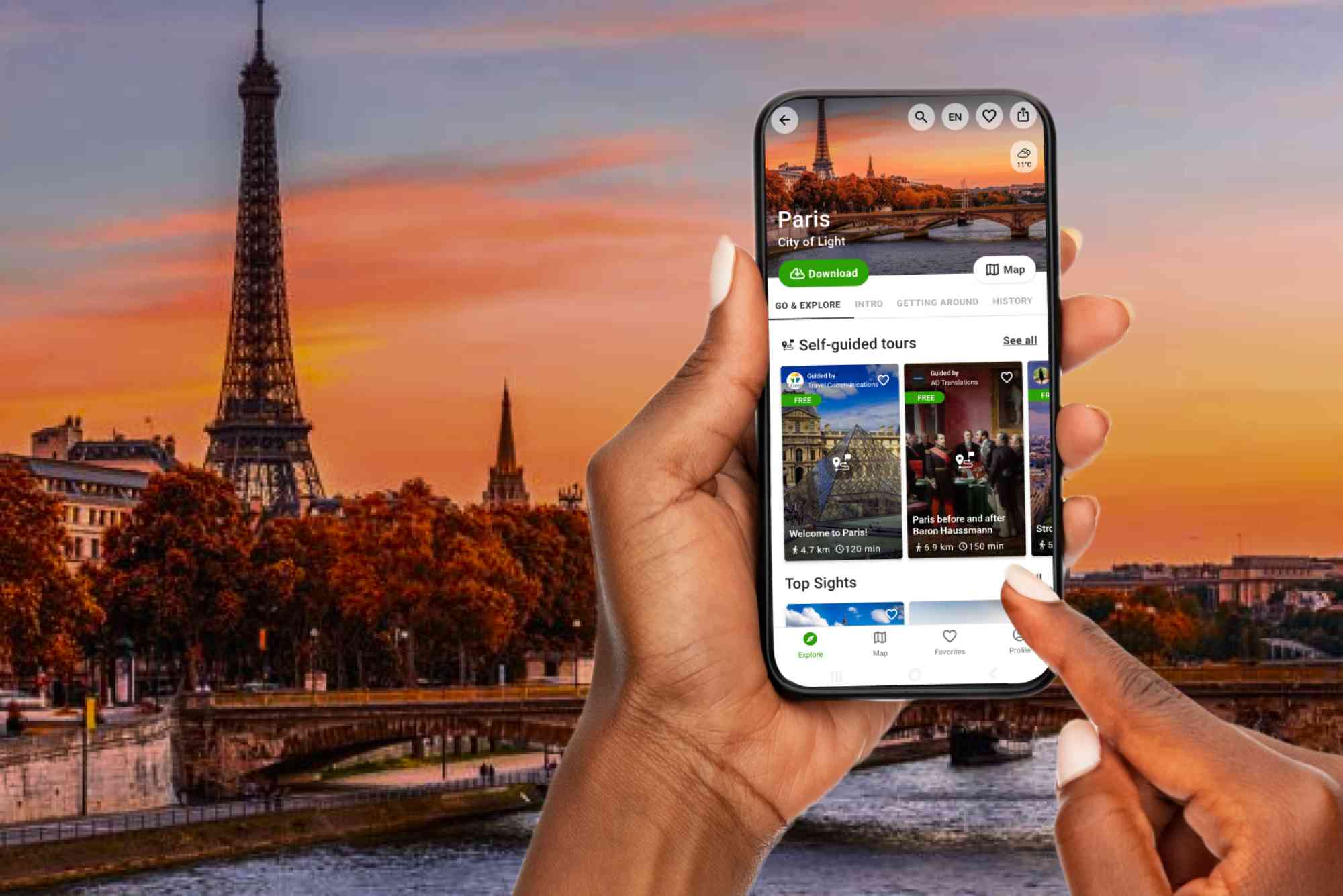
Accessibility is key when relying solely on public transport. Check which train stations or bus stops are nearest to your starting point and your destinations. Consider the ease of walking between stops and attractions, especially if you are carrying luggage or traveling with children. Some locations have shuttle buses or cycle-sharing schemes that integrate with public transport, which can be a lifesaver for longer distances. Apps like Google Maps or local transport apps often provide step-by-step directions and estimated travel times. Using these tools helps you visualize your day before stepping out.
Understanding Schedules
Knowing schedules is crucial. Public transport operates on fixed times, so missing a bus or train can throw off your whole plan. Check timetables for your outbound and return journeys. Pay attention to weekends, holidays, or maintenance days, which might alter schedules. It’s often helpful to have a backup option in case of delays, like an alternative route or a nearby station. Planning around peak and off-peak hours can also make travel more comfortable, with less crowding and more available seats.
Preparing for the Trip
Proper preparation ensures a smooth day trip. Start by packing light, as you’ll need to carry everything with you. Essential items include water, snacks, a portable charger, travel cards or tickets, and weather-appropriate clothing. A small backpack is often ideal. If your trip includes walking tours, comfortable shoes are a must. Additionally, keeping a printed or digital map of the transport network and your chosen attractions helps in case your phone dies or connectivity fails.
Booking Tickets in Advance
Many public transport systems allow advance booking or online ticket purchases. Doing so saves time and sometimes offers discounts. Consider day passes or travel cards that cover multiple journeys. These options are cost-effective and prevent the hassle of queuing for each leg of your journey. In some cities, mobile apps offer real-time updates on ticket availability, delays, or disruptions. This information allows you to adjust your itinerary dynamically.


Timing Your Day
A successful day trip revolves around good timing. Plan to start early, especially if your destination is far or if you want to visit multiple attractions. Allocate time for each activity, including meals, rest breaks, and unexpected delays. Avoid cramming too much into one day. Remember that public transport can have waiting periods, so factor in buffer time between connections. Early planning ensures you experience the day fully without feeling rushed or exhausted.
Navigating the Trip
Once you are on the move, effective navigation is essential. Use digital maps, transport apps, or station information boards to stay informed. Confirm the next stops, platform numbers, and transfer points. Paying attention to announcements and updates helps avoid mistakes, especially in unfamiliar cities.
Maximizing Comfort
Comfort can make or break a day trip. Choose non-peak travel times if possible, and select a seat near windows for scenic views. Bring a light jacket or sweater, as public transport temperatures can fluctuate. Small comfort items like neck pillows or headphones can enhance the journey, especially if you have long travel segments. Taking short breaks at cafes or local spots en route can rejuvenate you for the next leg of the trip.
Engaging With the Journey
Public transport offers unique ways to engage with your surroundings. Observe local neighborhoods, interact with fellow passengers, and explore areas you might skip by car. Local transit often leads you to hidden gems—quaint streets, parks, and cultural sites—that are easily accessible by walking a few blocks from stations. Keeping an open mind transforms the journey itself into an enjoyable part of the experience rather than just a means to an end.
Optimizing Your Itinerary
Balancing travel time and exploration is key. Avoid the temptation to cover too many destinations. Instead, focus on quality experiences. Choose two to three main attractions and consider nearby cafes, parks, or shopping streets as secondary stops. Organizing your itinerary geographically reduces backtracking and wasted travel time.
Flexibility and Contingency Plans
Even the best plans may encounter delays, strikes, or unexpected closures. Always maintain flexibility in your itinerary. Have a backup destination, a different transport route, or indoor activities in case of bad weather. Flexibility reduces stress and ensures that your day remains enjoyable, even if things do not go perfectly.
Local Insights
Seek advice from locals or use online forums for tips on shortcuts, must-visit spots, and hidden attractions. Locals often know less-crowded routes and practical hacks that guidebooks miss. Observing and asking for guidance enhances both efficiency and the authenticity of your day trip.
Sustainable Travel
Traveling by public transport significantly reduces your carbon footprint. By avoiding private cars, you contribute to cleaner air, reduced traffic congestion, and a greener environment. Supporting public transport networks also helps maintain these essential services for future travelers. Being mindful of eco-friendly practices, like using reusable bottles and avoiding single-use plastics, complements your sustainable travel approach.
Capturing Memories
While planning and navigation are vital, don’t forget to enjoy the experience and capture memories. Take photographs, jot down notes, or collect small souvenirs. However, balance documenting with immersion—sometimes the best memories come from living the moment rather than recording it. Sharing your day trip experiences on social media or blogs can inspire others and provide practical insights for fellow travelers.
Planning the perfect day trip with public transport only requires preparation, timing, and flexibility. With proper research, ticketing, and itinerary management, you can enjoy a stress-free, immersive, and eco-friendly adventure. Remember that part of the magic lies in the journey itself, observing local life and discovering hidden gems along the way. By following these strategies, your day trips will not only be efficient but also memorable. Start planning your next public transport adventure today and embrace the joy of discovering new places without the hassle of driving.
FAQ
Can I really visit multiple attractions in one day using public transport?
Yes, with careful planning and realistic timing. Focus on nearby attractions and plan efficient routes to maximize your day.
What are the best apps for planning public transport trips?
Apps like Google Maps, Citymapper, and local transit apps provide real-time schedules, routes, and travel time estimates.
How do I handle unexpected delays or cancellations?
Always have a backup plan, including alternative routes, indoor activities, or nearby attractions. Flexibility is key.
Is traveling by public transport safe for day trips?
Generally, yes. Stick to well-populated routes, avoid traveling late at night alone, and follow local safety guidelines.
Do I need to book tickets in advance for day trips?
While not always mandatory, advance booking saves time, ensures availability, and sometimes offers cost savings, especially for long-distance trains or buses.