
Introduction
Luggage misplacement is one of the most stressful travel problems. Whether you fly for work or leisure, losing your bags can disrupt your entire trip. Understanding How to Avoid Luggage Loss: Tagging & Tracking Best Practices is the key to traveling with confidence. With airlines handling millions of bags daily, you need reliable ways to keep your belongings safe, traceable, and identifiable from check-in to arrival. This guide explains practical strategies, expert insights, and proven methods to prevent luggage loss and track bags more effectively.
Why Luggage Gets Lost and Why Prevention Matters
Lost luggage usually happens due to transfer delays, mislabeling, damaged tags, or human error. Although airlines improve their systems every year, mistakes still occur. Preventing luggage loss is easier and faster than dealing with compensation claims, delays, and urgent shopping abroad. When you use the right tagging and tracking practices, you significantly reduce risk and ensure your belongings remain traceable at every step.
The Importance of Smart Luggage Tagging
Tagging your luggage is your first line of defense. Clear, durable, and correctly placed tags help airport staff identify your bags quickly. When tags are missing or illegible, bags become untraceable, leading to delays or loss.
Choosing the Best Luggage Tags for Travel
High-quality luggage tags make your bags easy to identify and track. Avoid weak paper tags that tear easily, especially during long trips or multiple layovers. Instead, choose sturdy materials. Leather, silicone, or metal tags provide secure protection. Make sure the tag has a privacy flap so your details are visible only to airport staff. Use a waterproof tag because moisture can ruin labels, especially during bad weather or rough handling.
What Information Should You Include on Your Luggage Tag
Add your full name, phone number, and email address. Use an alternate phone number if available. Avoid including your home address to reduce privacy risks. If your luggage gets lost, airlines usually contact you by phone or email. This simple step speeds up the process and ensures your bag returns to you quickly. If you travel internationally, include your country code so you can be reached easily from abroad.
Using Airline Tags Correctly
Airlines attach printed barcode tags to your luggage during check-in. Do not remove the small sticker given to you. Keep it until your bags safely arrive. That sticker holds the tracking code linked to your luggage in the airline system. If something goes wrong, you can use it to help staff locate your bag fast.


Why Smart Tracking Devices Are a Game-Changer
Travel technology has made luggage tracking easier than ever. Smart trackers let you see your bag’s real-time location using GPS, Bluetooth, or cellular networks. They work independently from airline systems, giving you extra security and visibility.
Choosing the Right Luggage Tracker
Bluetooth trackers like Apple AirTag or Tile are affordable and work well for short-range detection. However, for long-distance flights, GPS or cellular-based trackers offer stronger performance. These devices provide global tracking, ideal for international travelers or those with expensive items in checked baggage.
How to Set Up Your Tracking Device Before Travel
Setting up your device properly ensures it works throughout your journey. Charge the device fully. Pair it with your smartphone using the manufacturer’s app. Test the tracker at home to confirm that location updates appear correctly. Place it inside the main compartment of your luggage instead of outside. This protects the tracker and prevents theft or damage.
Label Your Carry-On and Personal Items Too
Lost items don’t only happen with checked luggage. Many travelers misplace their carry-on, laptop bag, or backpack at security, boarding gates, or rest areas. Add tags to all your personal belongings. This improves your chances of recovery if you misplace them during busy airport transitions.
Take Photos of Your Bags Before Traveling
A picture helps airline staff find your luggage faster. Take photos of your bags from multiple angles. Capture the exterior design, brand, color, and any distinguishing features. Keep these photos on your phone. If your bag goes missing, you can show the airline exactly what to look for. This speeds up the tracing process, especially when bags look similar.
Use Distinguishing Features to Identify Your Bag Easily
Most luggage designs are similar, making it easy for passengers to pick up the wrong bag by mistake. Add a bright ribbon, strap, or cover to your bag. These identifiers prevent mix-ups and help baggage handlers spot your luggage quickly.
Understanding Airline Baggage Handling Systems
Knowing how airlines handle baggage helps you avoid errors. Bags often travel across multiple conveyor belts, scanners, and loading zones. When you check in early, your luggage has more time to get sorted correctly. If you arrive late, your bag may be rushed and prone to misrouting. For connecting flights, allow at least two hours between flights. Short layovers increase the risk of your luggage missing the transfer.
Why Direct Flights Reduce Luggage Loss Risk
Direct flights minimize the chances of errors. Each additional connection adds another transfer point, increasing risk. If you can, choose a direct route to ensure your luggage stays safe throughout your trip.
Secure Your Bag Properly Before Check-In
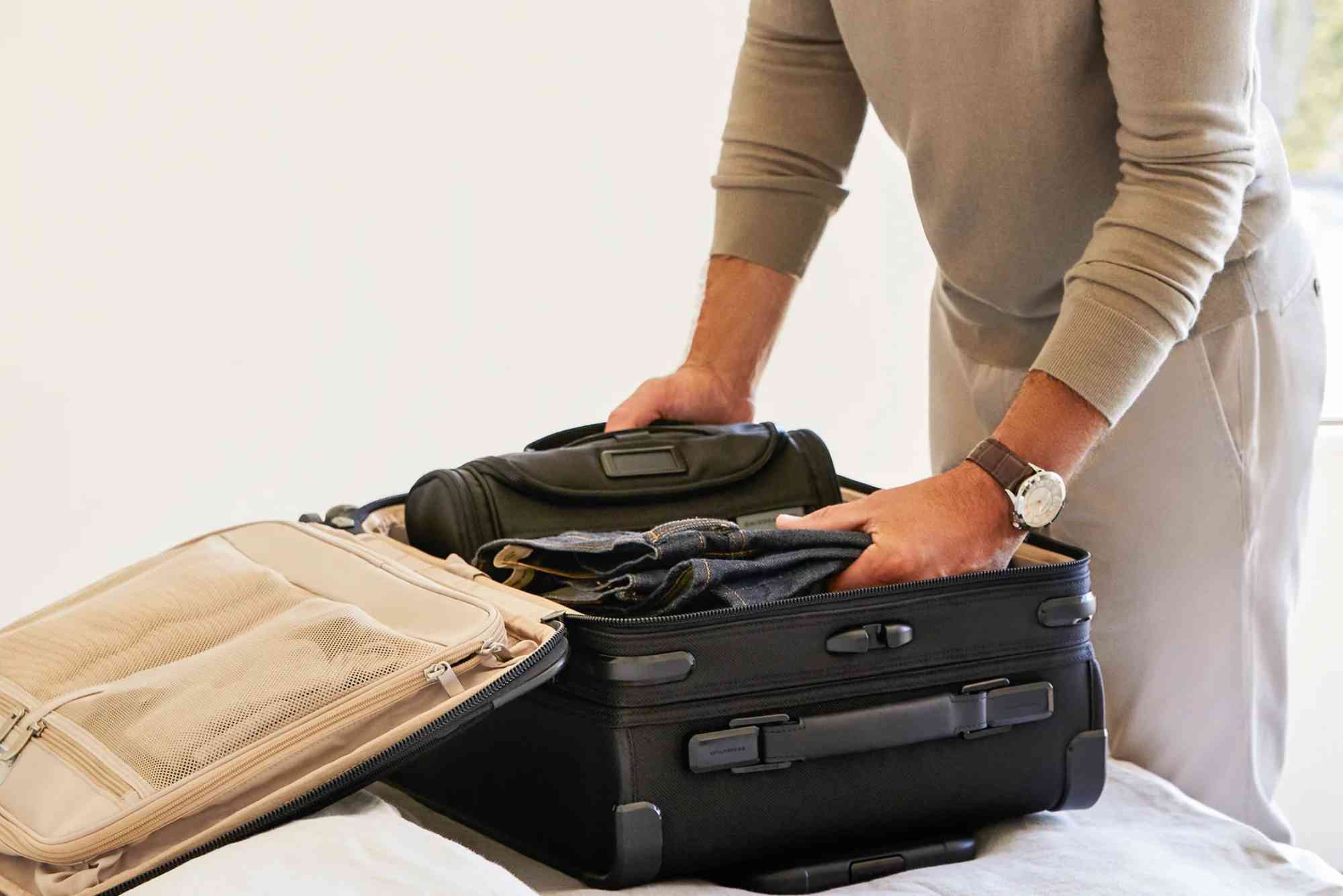
Loose straps or hanging accessories can get caught in conveyor belts. This might cause damage or even stop your bag from reaching the aircraft. Close all zippers. Use TSA-approved locks to secure the main compartments. Remove old barcodes or stickers from previous trips. Old tags may confuse sorting machines and redirect your bag to the wrong destination.
Double-Check the Airline Taging Information at Check-In
Before your bag goes on the belt, ensure the printed airline tag shows the correct destination code. Mistakes happen during busy travel periods. Confirm that your name appears correctly as well. A few seconds of checking can prevent major problems later.
Track Your Bag Through Airline Apps
Many airlines now offer real-time baggage tracking through their mobile apps. These apps show where your bag was last scanned. You may see updates such as “checked in,” “loaded,” “in transfer,” or “arrived at destination.” These alerts give peace of mind and help you detect issues early.
What to Do When Your Luggage Doesn’t Arrive
If your bag doesn’t appear on the conveyor belt, report the issue immediately before leaving the airport. Visit the airline’s baggage service desk. Provide your tracking sticker, flight details, and bag description. Show photos if possible. Airlines usually locate missing bags within 24–48 hours. The sooner you report the loss, the faster they can begin the search.
Insurance and Compensation for Lost Luggage
Consider travel insurance that covers lost or delayed luggage. Insurance can reimburse you for essentials and damaged items. You also have rights under international air travel rules. Always keep receipts for clothes or essentials purchased while waiting for your bag.
Pack Smart to Minimize Loss Impact
Pack valuables in your carry-on. Avoid placing electronics, jewelry, medication, or important documents in checked baggage. Divide essentials among different bags if traveling with family. This reduces risk and ensures you always have backup items.
FAQ
How can I prevent my luggage from getting lost?
Use strong tags, smart tracking devices, and double-check airline labels. Arrive early and avoid tight connections.
Should I put my address on my luggage tag?
Use your name, email, and phone number. Avoid your home address for privacy and safety.
Do Apple AirTags work on airplanes?
Yes. They are allowed on flights and help track luggage through Bluetooth networks.
What should I do if my bag is missing after a flight?
Report it to the airline immediately, provide your tracking number, and file a claim.
Is it better to check luggage early or late?
Early check-in gives your bag more time to reach the plane, reducing the risk of misrouting.
Knowing How to Avoid Luggage Loss: Tagging & Tracking Best Practices empowers you to travel with confidence. With proper tagging, smart technology, and the right habits, you dramatically reduce the chance of losing your luggage. Before your next trip, take these steps seriously and prepare your bags with care. Your belongings deserve protection, and you deserve peace of mind.