
Introduction
Flying with a dog can be an exciting experience, especially when your pet travels safely beside you in the aircraft cabin. However, Flying with a Dog in Cabin: Airline Weight Limits, Pet Crates, and Rules can feel complicated for first-time pet travellers. Every airline has different policies regarding pet weight, carrier dimensions, health documents, and booking requirements.
Understanding these rules before arriving at the airport can prevent unnecessary stress. In most cases, small dogs can travel in the cabin when they remain inside an approved carrier placed beneath the seat. However, size restrictions and total weight limits often apply.
This guide explains everything travellers should know about Flying with a Dog in Cabin: Airline Weight Limits, Pet Crates, and Rules. From choosing the right carrier to preparing documents, careful planning can make the journey more comfortable for both you and your dog.
Understanding Flying with a Dog in Cabin
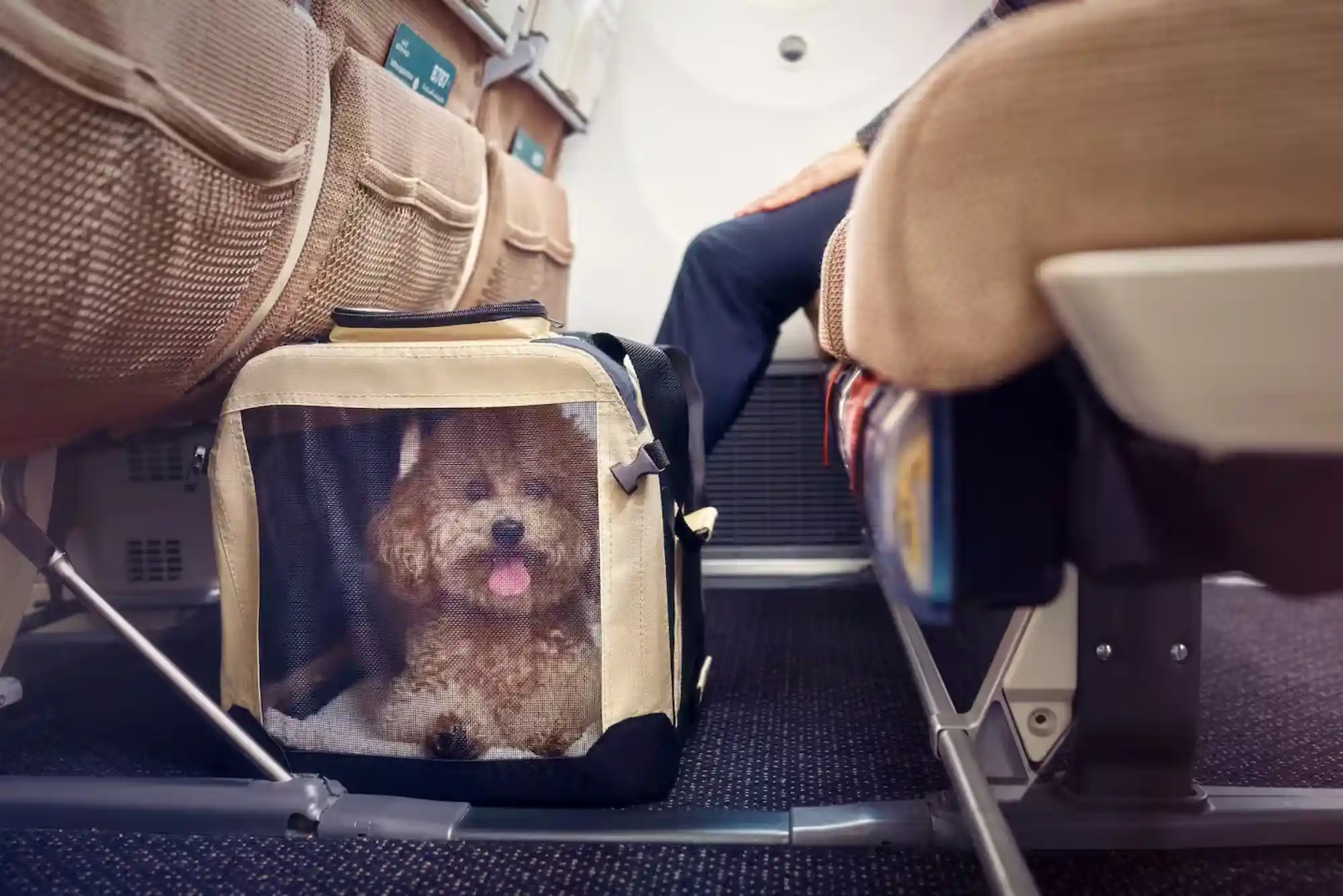
Cabin pet travel allows eligible dogs to remain with their owners during a flight. Instead of travelling in the aircraft’s cargo area, the dog stays inside an approved carrier beneath the seat in front of you.
This option is generally designed for small dogs. Airlines must consider available cabin space, passenger safety, and aircraft regulations. Therefore, pets cannot usually sit on passenger seats or move freely around the cabin.
The rules for Flying with a Dog in Cabin: Airline Weight Limits, Pet Crates, and Rules depend heavily on the airline and destination. International travel may also involve additional government requirements.
For this reason, travellers should always confirm their airline’s current policy before purchasing tickets. Rules can change depending on the aircraft, route, and destination.
You can also explore more practical guidance about Flying With Pets before planning your journey.
Why Cabin Travel Can Be Better for Small Dogs
For eligible pets, cabin travel can offer greater peace of mind. Owners can remain close to their dogs throughout the flight.
The cabin environment also allows you to monitor your pet’s behaviour. Although the carrier normally stays closed, you can check whether your dog appears comfortable.
However, cabin travel is not automatically suitable for every dog. Nervous, aggressive, or medically vulnerable pets may require additional preparation.
A veterinarian can help determine whether flying is appropriate. This is especially important for senior dogs and certain short-nosed breeds.
Airline Weight Limits for Dogs
Weight limits are among the most important factors when considering Flying with a Dog in Cabin: Airline Weight Limits, Pet Crates, and Rules.
Many airlines calculate the combined weight of the dog and carrier. Others focus primarily on whether the carrier fits safely beneath the seat.
Limits vary significantly. Some airlines accept pets weighing around 8 kilograms with the carrier, while others use different measurements or restrictions.
Because policies change, travellers should never rely entirely on information from previous trips or unofficial sources.
Combined Weight Matters
Your dog’s body weight is not always the only consideration. The carrier itself adds weight.
A lightweight carrier may therefore provide an advantage. However, it must still be strong enough to protect your dog during travel.
Before booking, weigh your dog inside the carrier. This gives you a realistic combined weight.
Do this several days before departure. Avoid discovering that your pet exceeds the airline limit at the airport.
Size Can Be More Important Than Weight
A lightweight dog may still be too large for cabin travel. The carrier must normally fit underneath the seat without blocking aisles or emergency routes.
This is why carrier dimensions matter as much as weight.
Different aircraft have different under-seat spaces. A carrier that works on one flight may not fit on another aircraft type.
When reviewing Flying with a Dog in Cabin: Airline Weight Limits, Pet Crates, and Rules, always check the specific dimensions provided for your flight.
Choosing the Right Pet Crate or Carrier
The pet carrier is one of the most important parts of air travel preparation. It serves as your dog’s secure space throughout the journey.
Most airlines require carriers to provide enough ventilation. Your dog should also have enough room to stand, turn around, and lie down comfortably.
Soft-sided carriers are popular because they can sometimes fit more easily beneath seats. However, some airlines also permit specific hard-sided kennels.
Soft-Sided Carriers
Soft-sided carriers can be practical for cabin travel. Their flexible structure may make them easier to place beneath the seat.
Choose a carrier with strong mesh panels and secure zippers. The base should also be stable and comfortable.
Absorbent bedding or a suitable travel pad can help manage accidents. However, avoid adding unnecessary items that reduce available space.
Hard-Sided Pet Crates
Hard-sided carriers provide stronger physical protection. However, their rigid dimensions can make cabin placement more difficult.
Always confirm whether the airline accepts hard carriers in the cabin.
A crate that is too tall or wide may be rejected even if your dog meets the weight requirement.
Therefore, checking dimensions remains essential when planning Flying with a Dog in Cabin: Airline Weight Limits, Pet Crates, and Rules.
Preparing Your Dog for the Carrier
A flight should not be your dog’s first experience inside a carrier. Sudden confinement can create unnecessary anxiety.
Introduce the carrier gradually at home. Leave the door open and encourage your dog to explore it naturally.
You can place familiar bedding inside the carrier. Positive rewards may also help your dog develop a comfortable association with the space.
Over time, close the carrier briefly while your dog remains calm. Gradually increase the duration.
This preparation can make airport and flight experiences less stressful.
Practice Short Trips
Short car journeys can help your dog become accustomed to travelling inside the carrier.
Start with brief trips and observe your dog’s reaction. Gradually increase travel time when your dog remains comfortable.
Avoid forcing a frightened dog into the carrier repeatedly. Instead, build positive experiences slowly.
Good preparation is often one of the most overlooked parts of Flying with a Dog in Cabin: Airline Weight Limits, Pet Crates, and Rules.
Airline Rules You Should Check Before Booking
Airline pet policies often include more than weight and carrier requirements. Some airlines limit the number of pets allowed in the cabin.
As a result, you may need to reserve your dog’s space early.
Do not assume that purchasing your own ticket automatically reserves a place for your pet.
Contact the airline directly and request confirmation where required.
Pet Fees
Most airlines charge a separate fee for cabin pets. Prices vary according to the airline and route.
The fee may be charged during booking, before departure, or at the airport.
Always confirm the payment process in advance. Keep relevant booking confirmations accessible during travel.
Passenger Restrictions
Certain seating areas may not permit pets. For example, emergency exit rows usually have additional restrictions.
Bulkhead seating may also have limited under-seat storage.
When choosing your seat, tell the airline that you are travelling with a dog.
This helps prevent seating problems on departure day.
Health Certificates and Travel Documents
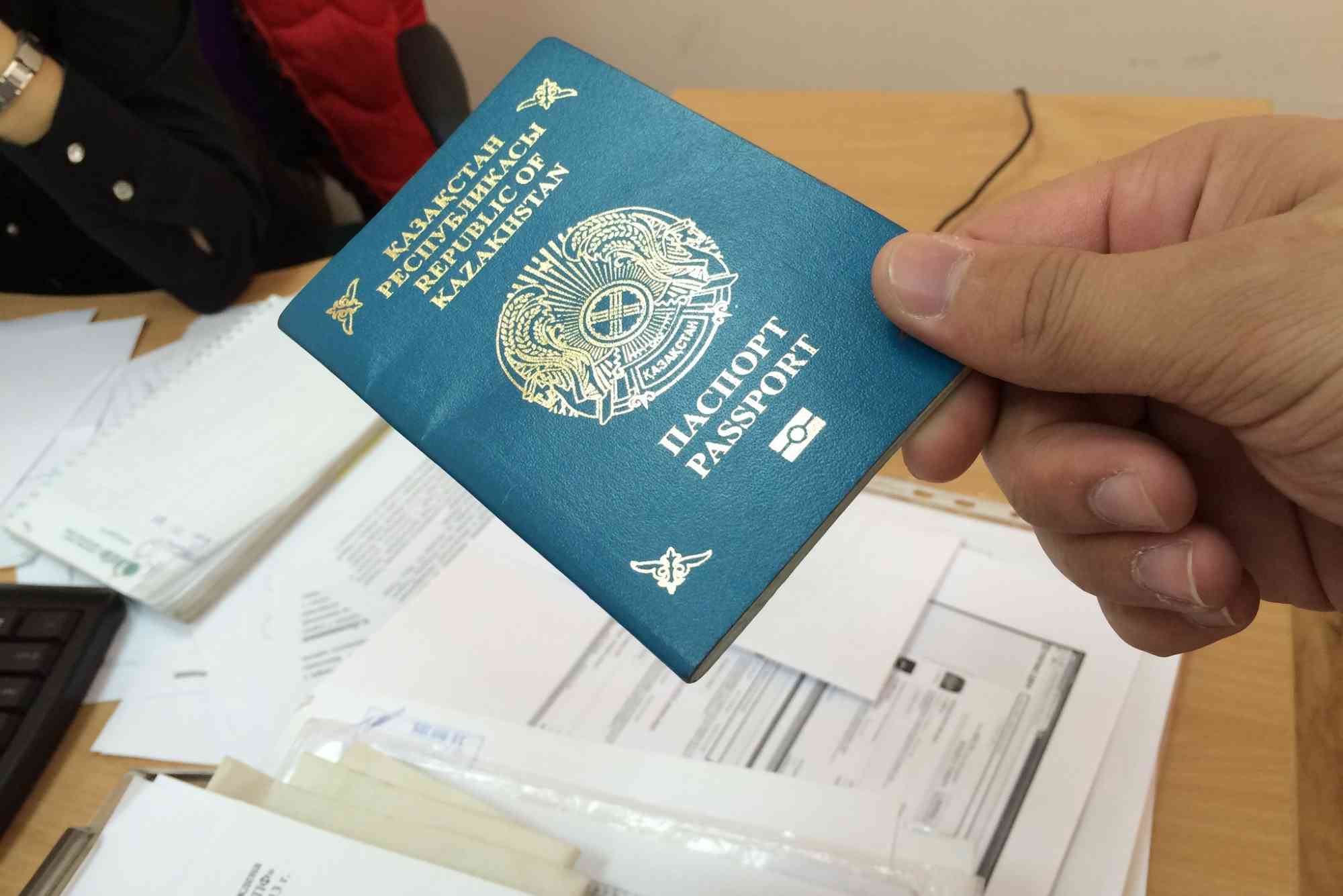
Domestic and international flights may require different documents. Requirements depend on your destination and local regulations.
Some destinations require proof of vaccination. Others may require veterinary certificates, identification records, or import permits.
International pet travel can involve additional rules for microchips and disease prevention.
Start researching documentation requirements well before departure.
Check Government Requirements
Airline approval does not automatically mean your destination permits entry.
You must also meet the rules established by the destination country.
For flights involving the United States, official guidance may be available through relevant aviation and government authorities. Reviewing FAA Pet Travel Regulations can also help travellers understand the broader aviation safety framework.
Always verify requirements using official sources before travelling.
Airport Preparation for Flying with a Dog
Arrive earlier than usual when travelling with a pet. Check-in staff may need to inspect the carrier and confirm documents.
Your pet may also require special processing.
Keep your dog’s documents organised in one accessible folder.
Bring water for the journey, but avoid overfeeding immediately before departure.
Security Screening
Airport security procedures can vary. In some situations, you may need to remove your dog from the carrier.
The carrier may then pass through the screening equipment separately.
Keep your dog securely controlled during this process. A secure harness and leash can be helpful.
Ask airport staff for instructions rather than guessing.
What Happens During the Flight?
During most flights, your dog must remain inside the carrier. The carrier normally stays beneath the seat in front of you.
Airline crew instructions should always be followed.
Do not open the carrier unnecessarily during the flight. A frightened dog could escape into the cabin.
Speak calmly to your pet when appropriate. Your familiar voice may provide reassurance.
For many owners, understanding this routine makes Flying with a Dog in Cabin: Airline Weight Limits, Pet Crates, and Rules much easier.
Managing Your Dog’s Comfort
Keep the carrier comfortable without overcrowding it.
Use appropriate absorbent material and ensure the carrier has adequate ventilation.
Avoid using strong scents or unfamiliar products inside the carrier.
If your dog has medical concerns, speak with a veterinarian before flying. Never give sedatives without professional veterinary advice.
International Travel Requires Extra Planning
International pet travel often involves stricter requirements. Some countries require permits or advance approval.
Quarantine rules may also apply in certain destinations.
Requirements can change based on disease outbreaks and government policies.
Therefore, start planning several weeks or even months before travel.
Airline rules are only one part of the process.
Return Travel Matters Too
Many travellers focus only on the outbound flight. However, return flights may involve different airline policies.
A pet accepted on your first airline may not meet the requirements of another carrier.
Check every flight separately, especially when using connecting airlines.
This careful planning can prevent serious problems during your return journey.
For more travel information and pet-friendly travel resources, visit Travelearths.
Common Mistakes to Avoid
One common mistake is booking a flight before confirming pet availability. Cabin pet spaces can be limited.
Another mistake is purchasing a carrier based only on general recommendations. Always compare it with your airline’s current requirements.
Travellers should also avoid waiting until the final days to arrange veterinary documents.
Preparation is especially important for international travel.
Finally, never assume every airline applies the same rules. Flying with a Dog in Cabin: Airline Weight Limits, Pet Crates, and Rules can differ greatly between carriers.
FAQs
How much does a dog have to weigh to fly in the cabin?
The limit varies by airline. Many carriers consider the combined weight of the dog and carrier. Always check your airline’s latest policy.
Can my dog sit on my lap during a flight?
Usually, no. Most airlines require dogs to remain inside an approved carrier throughout the flight.
What size pet carrier is allowed in an airplane cabin?
The permitted size depends on the airline and aircraft. The carrier must generally fit beneath the seat in front of you.
Do I need a health certificate to fly with my dog?
Requirements vary by destination and airline. International travel often involves additional health and vaccination documentation.
Can large dogs fly in the cabin?
Most large dogs cannot travel as standard cabin pets because they exceed carrier and space restrictions. Exceptions may apply to trained assistance animals under relevant rules.
Conclusion
Flying with a Dog in Cabin: Airline Weight Limits, Pet Crates, and Rules becomes much easier when you prepare early. Check your airline’s weight limits, carrier dimensions, booking procedures, and documentation requirements.
Your dog’s comfort should remain the priority throughout the journey. Help your pet become familiar with the carrier before travelling. Arrive early at the airport and follow all staff instructions.