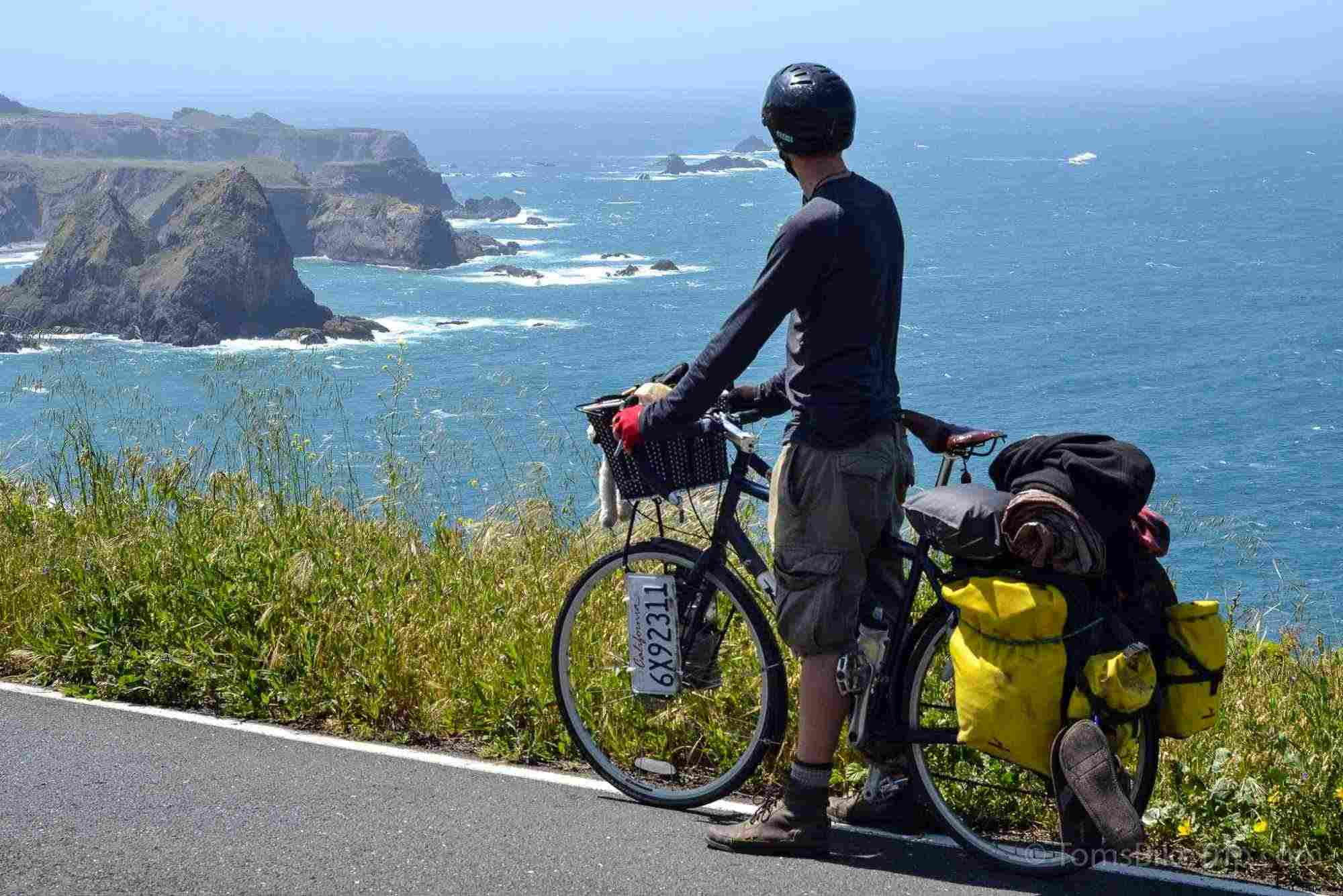

How to Travel With a Bike: Packing and Transport Tips
Traveling with a bike can be challenging, but with the right approach, it can be simple and stress-free. Whether you’re heading to a cycling event, a vacation destination, or a weekend adventure, proper packing and transport are essential. This guide shares expert advice on how to travel with a bike: packing and transport tips to ensure your ride arrives safely and ready to go.
Preparing Your Bike for Travel
Clean Your Bike Thoroughly
Before packing, clean your bike completely. Dirt, mud, and debris can damage the frame during transport. A clean bike also makes it easier to inspect for any pre-existing damage.
Inspect for Damage
Check your bike for loose bolts, worn-out parts, or cracks. Fixing small issues before travel prevents bigger problems on the road.
Remove Accessories
Take off any removable parts like water bottles, lights, saddle bags, or bike computers. Secure these separately to prevent loss or damage.
Deflate Tires Slightly
If traveling by air or car, deflate your tires slightly to reduce pressure and prevent punctures. Avoid fully deflating, as it may damage the rims.
Packing Options for Different Transport Methods
Using a Bike Box
Bike boxes are ideal for air travel or long-distance shipping.
Disassemble Your Bike
Remove the wheels, pedals, handlebars, and seat post. Wrap each part carefully using bubble wrap or foam sleeves.
Protect the Frame
Use padding around the frame and secure it with straps inside the box to avoid movement.
Label and Secure
Clearly label your box and make sure all parts are tightly secured. Include a checklist to ensure nothing is lost.
Using a Bike Bag
Soft and hard bike bags provide protection without the bulk of a box.
Choose the Right Bag
Select a bag that fits your bike size. Hard bags offer maximum protection, while soft bags are lighter and easier to carry.
Pack Carefully
Use padding around delicate components and fill gaps with clothing or foam.
Traveling by Car
Cars offer more flexibility but still require careful packing.
Roof or Hitch Mount
Use a roof rack or hitch-mounted carrier to transport your bike. Ensure the bike is securely fastened and check for clearance under low bridges.
Inside the Vehicle
If space allows, disassemble your bike slightly and place it inside. Protect the car interior with blankets.
Traveling by Train or Bus
Policies vary, so always check transport rules in advance.
Protect Your Bike
Even short trips require basic protection. A bike bag or minimal padding prevents scratches and dents.
Reserve Space
Some train services require reservations for bicycles. Plan ahead to avoid last-minute issues.
Packing Tips for Safety and Convenience
Use Proper Padding
Protecting your bike with foam, bubble wrap, or clothes reduces the risk of scratches and damage.
Organize Small Parts
Place bolts, pedals, and accessories in labeled bags. Tape or zip-lock bags work well.
Avoid Overpacking
Tightly packed boxes can cause stress on the frame. Leave enough room for padding.
Keep Tools Handy
Carry basic tools like Allen keys and a mini-pump for adjustments during travel.
Handling Your Bike During Transit
Lift with Care
Always lift the bike from the frame, not the wheels, to avoid bending.
Check Fastenings
If using a rack or mount, double-check straps and clamps before driving or boarding.
Monitor Temperature
Avoid leaving bikes in extreme heat or cold for long periods. Temperature fluctuations can damage tires and components.
Plan for Security
Lock your bike when leaving it unattended during stops. A compact lock can be stored in your bag.
Tips for International Air Travel
Choose Airlines Wisely
Airlines have varying fees and rules for bike transport. Research policies before booking.
Prepare Documentation
Some countries require customs declarations for high-value bikes. Keep receipts and documentation handy.
Arrive Early
Check-in with a bike takes extra time. Arriving early reduces stress and ensures proper handling.
Maintaining Your Bike After Travel
Reassemble Carefully
Follow your checklist to ensure all parts are reinstalled correctly.
Inspect for Damage
Check for scratches, bent components, or loose bolts. Address any issues immediately.
Lubricate and Adjust
A quick cleaning and lubrication session will keep your bike performing optimally after travel.
FAQs About Traveling With a Bike
How can I transport my bike safely on a plane?
Disassemble the bike, pack it in a padded bike box or bag, and check airline policies in advance.
Is it better to travel with a bike inside a car or on a roof rack?
Both are safe if done properly. Inside the car offers protection, while a roof rack is convenient for larger vehicles.
Do I need to deflate my tires for air travel?
Yes, slightly deflate tires to reduce pressure changes. Do not fully deflate to protect rims.
How do I prevent scratches during transport?
Use padding like foam, bubble wrap, or clothes, and secure all parts to prevent movement.
Can I take my bike on a train?
Many train services allow bikes, but some require reservations. Always check policies beforehand.
How should I organize small bike parts for travel?
Use labeled bags or containers for bolts, pedals, and accessories. Keep them together to avoid losing anything.
Traveling with a bike requires preparation, patience, and the right packing methods. By following these expert tips on how to travel with a bike: packing and transport tips, you can ensure your bike arrives safely and ready for adventure. Remember to protect delicate parts, organize accessories, and double-check mounts or boxes during travel.