
Turkey turned 100 years old as a republic in 2023, and it has not stopped attracting the world since. Today it ranks among the top ten most-visited countries on the planet — drawing everyone from history hunters in Istanbul to beach-lovers along the Aegean coast. But before you step off the plane at Atatürk or Sabiha Gökçen, one question almost always comes first: how much does a Turkey visa actually cost in 2026, and what does the full process involve?
The answer depends on your nationality, the type of visa you need, and whether you apply through the official government portal or a third-party service. This guide breaks down every fee, charge, and optional cost so that you arrive in Turkey knowing exactly what you paid — and why. Whether you need a simple e-Visa or a full sticker visa through a consulate, you will find authoritative, up-to-date numbers and a step-by-step process below.
If you are comparing visa costs across popular destinations, our Dubai visa price guide for 2026 offers a useful parallel breakdown to help you plan multi-destination trips more efficiently.
Understanding Turkey’s Visa System in 2026
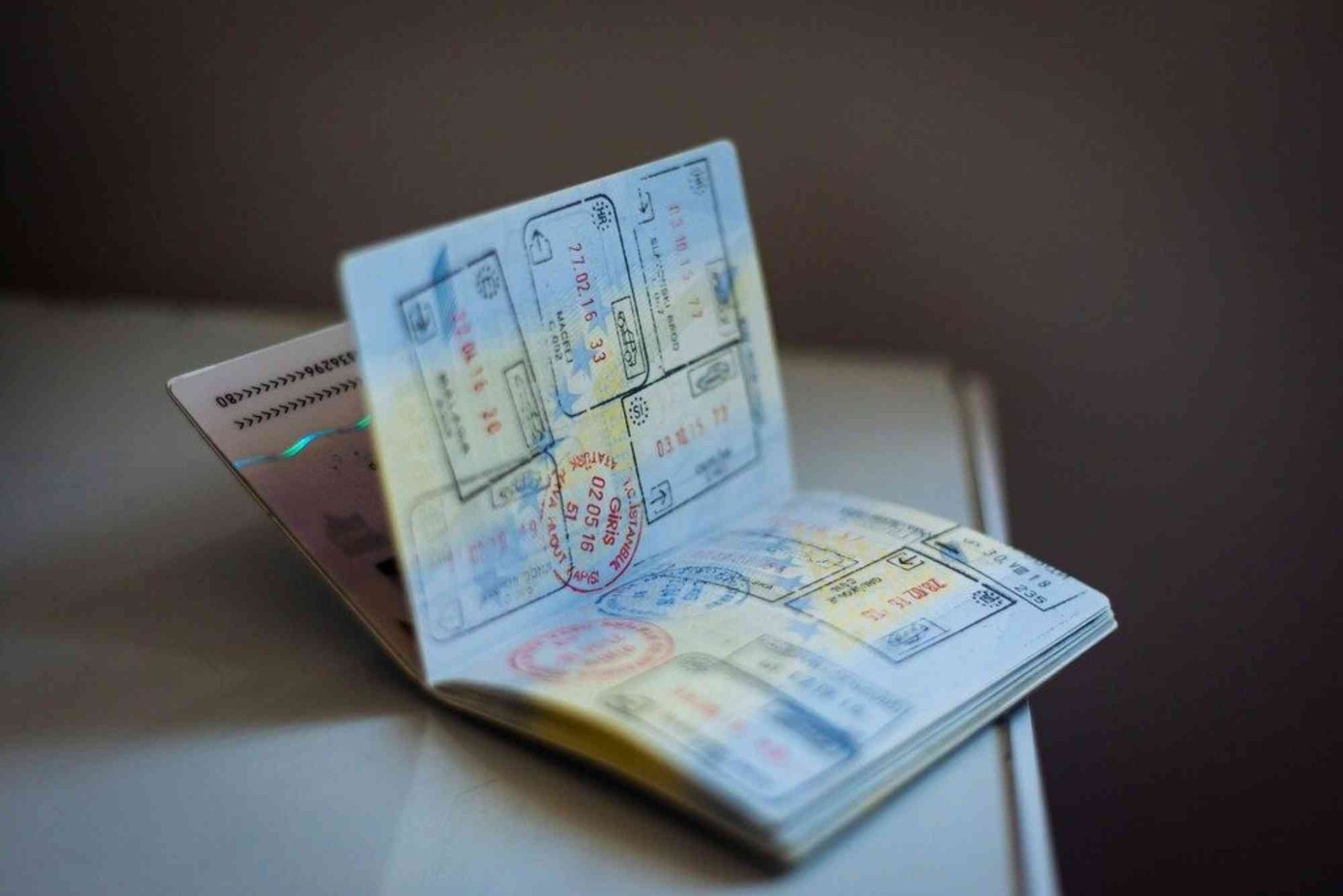
Turkey operates three entry pathways for foreign nationals: visa-free entry, the electronic visa (e-Visa), and the sticker visa issued by Turkish consulates abroad. A fourth pathway — visa on arrival — was largely phased out at major airports but may still apply in very limited port-of-entry scenarios for cruise passengers staying under 72 hours.
As of 1 January 2026, the Turkish Ministry of Interior’s Presidency of Migration Management published updated entry and transit visa fees through an Official Gazette decree. These figures are the baseline that all genuine government fees flow from. Any fee charged above this baseline by third-party websites is a service charge — legal, but entirely optional.
The only official portal for applying for a Turkey e-Visa is evisa.gov.tr. Any other website offering a “Turkey e-Visa” is a third-party service and will charge additional fees on top of the government rate.
Who Needs a Turkey Visa in 2026?
Not every traveller needs to pay for a Turkish visa. Nationality is the single biggest factor. Citizens of European Union member states, Switzerland, and many other countries can enter Turkey with just a national ID card for short tourist stays. A large number of nationalities — including US, UK, and Canadian citizens — currently qualify for visa-free entry for up to 90 days within a 180-day window, though this is subject to change based on diplomatic reciprocity agreements.


Travellers who do need a visa fall into two broad groups:
- e-Visa eligible: Nationals whose passports qualify for the electronic visa system. These travellers apply online, pay online, and receive a digital document by email — usually within a few hours.
- Sticker visa required: Nationals not covered by the e-Visa system must apply at a Turkish embassy or consulate in their home country before departure. This process is more involved, takes longer, and typically costs more.
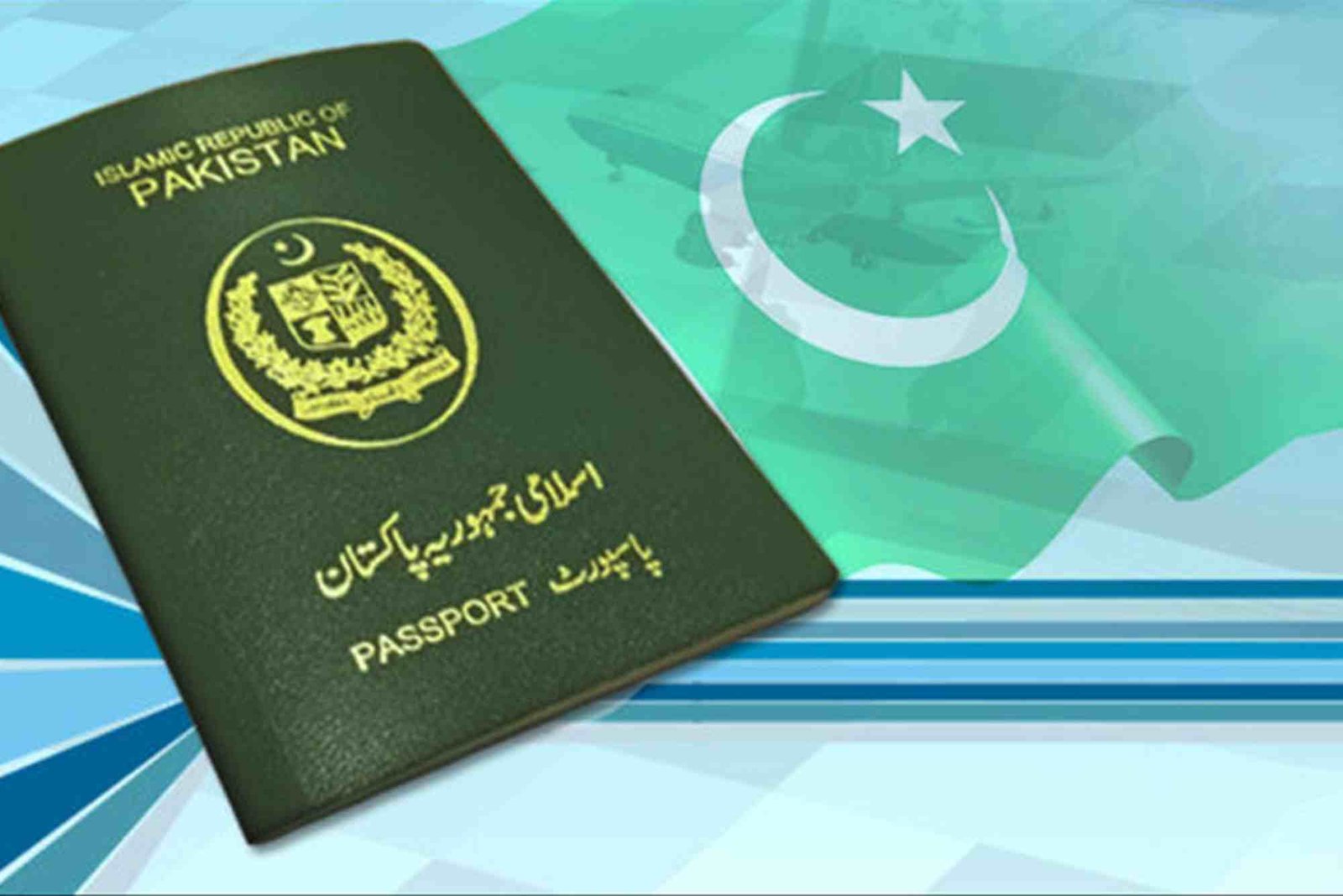
Pakistani citizens, for example, currently fall into the sticker visa category and must apply through the Turkish embassy in Islamabad or the consulate in Karachi. If you are planning from Pakistan, our resources on navigating international paperwork as a Pakistani traveller may also be of use as you gather your documents.
| Traveller Profile | Entry Route | Visa Required? | Max Stay |
|---|---|---|---|
| EU / Schengen citizens | National ID or Passport | No | 90 days |
| US, UK, Canada citizens | Passport (visa-free) | No | 90 days / 180 days |
| e-Visa eligible (selected nationalities) | e-Visa via evisa.gov.tr | Yes – online | Typically 30–90 days |
| Sticker visa required (e.g., Pakistan, others) | Turkish consulate | Yes – in-person | Varies |
| Cruise port visitors (<72 hours) | Sea port entry | No (touristic) | 72 hours |
Turkey e-Visa Price in 2026: Official Fee Breakdown
The e-Visa fee is set by the Turkish Ministry of Foreign Affairs based on the reciprocity principle — meaning Turkey charges nationals of a given country roughly what that country charges Turkish citizens for a similar visa. This is why the e-Visa price is not the same for everyone. The fee for most eligible nationalities in 2026 falls in the USD $50–60 range, though some nationalities pay higher or lower amounts depending on bilateral agreements.
| Nationality Group | Typical e-Visa Fee (USD) | Currency Alternative | Notes |
|---|---|---|---|
| US citizens | ~$50 | Approx. €46 / £40 | Single entry, 90 days |
| Australian citizens | ~$50 | Approx. AUD 78 | Multiple entry, 180 days |
| Canadian citizens | ~$25–$50 | Varies | Check latest reciprocity |
| Some Asian / Pacific nations | $20–$30 | Varies | Lower reciprocity tier |
| Eastern European nations | $60–$80 | Varies | Higher reciprocity |
| Caribbean / other eligible | $30 | €25 / £20 | Antigua-Barbuda example |
| Source: evisa.gov.tr (official portal) and Ministry of Foreign Affairs fee tables. Always verify before applying. | |||
e-Visa fees are non-refundable under all circumstances — including rejection, cancellation, or change of travel plans. Confirm your eligibility before submitting payment.
Turkey Sticker Visa Cost for 2026
For nationalities not eligible for the e-Visa system — which includes most South Asian, some African, and several other passport holders — the sticker visa remains the only route. Applications are processed at Turkish embassies and consulates, and fees are set in Turkish Lira or quoted in USD/EUR equivalents. Because the Turkish Lira has experienced significant fluctuation in recent years, the USD equivalent can shift even when the local fee amount stays constant.
| Fee Component | Estimated Amount (USD) | Notes |
|---|---|---|
| Government visa fee (single entry) | $40–$80 | Varies by nationality & reciprocity |
| Government visa fee (multiple entry) | $80–$150 | Higher for longer validity |
| Consular service charge | $20–$40 | Administrative processing fee |
| Courier / document return (optional) | $10–$25 | If passport returned by courier |
| Document attestation (if required) | $15–$50 | Depends on home country requirements |
| Estimated total range | $70–$250+ | Wide range due to nationality & type |
Some applicants also incur translation costs if supporting documents are not in Turkish or English, and bank statement certification fees. These indirect costs are worth budgeting for early in the planning process.
Hidden and Optional Charges You Should Know About
The headline visa fee is rarely the only cost. Several additional charges catch travellers off guard, especially those using third-party services for the first time.
Third-Party Service Fees
Dozens of private websites offer to process your Turkey e-Visa on your behalf. They are legal, but they add a service fee of anywhere from $15 to $60 on top of the government’s official charge. Using them is not necessary — the official evisa.gov.tr portal is straightforward and takes approximately three minutes to complete. Avoid third-party sites unless you specifically value the added customer support they offer.
Rush and Super-Rush Processing
Some platforms offer expedited processing for an additional premium. Standard e-Visa processing typically completes within minutes to a few hours. Rush services promise faster review, but since the government portal already processes most applications near-instantly, the value of paying extra here is debatable unless you are applying at the very last minute.
Currency Conversion and Card Fees
When paying in a currency other than USD or EUR, your card issuer may apply a foreign transaction fee of 1–3%. If paying by bank transfer (which takes 3–5 working days), your bank may also deduct a transfer charge. Credit and debit cards (Visa, Mastercard, American Express, UnionPay) are accepted and processed instantly on the official portal — stick to these for simplicity.
Overstay Fines
This is not a visa application cost, but it is a very real financial consequence if planning goes wrong. Overstaying your visa or exceeding the 90-day limit without a residence permit results in mandatory fines payable in cash at the airport upon departure, and entry bans ranging from one month to five years. These penalties can far exceed your original visa cost.
Full Cost Summary: What You Will Actually Pay
| Traveller Type | Visa Route | Minimum Cost | Maximum Cost | What Drives the Range |
|---|---|---|---|---|
| e-Visa eligible (direct application) | evisa.gov.tr | $20 | $80 | Nationality, entry type |
| e-Visa via third-party service | Private platform | $50 | $140 | Service + government fee |
| Sticker visa (consulate – standard) | Embassy appointment | $70 | $200 | Nationality, docs, courier |
| Sticker visa (consulate – complex case) | Embassy + extras | $150 | $350+ | Translations, attestation, docs |
| Visa-free travellers | Passport only | $0 | $0 | Eligible nationality |
Step-by-Step: How to Apply for a Turkey e-Visa in 2026
The e-Visa process is genuinely quick when done through the official portal. Here is exactly how it works:
- Visit the official portal: Go to evisa.gov.tr — verify the URL carefully before entering any information. Do not use Google Ads results, which often lead to third-party sites.
- Select your nationality and document type: The system automatically confirms your eligibility and shows the applicable fee for your passport.
- Fill in your travel details: Enter your full name as on your passport, passport number, intended entry date, and accommodation address in Turkey. Double-check everything — errors cannot always be corrected without a new application.
- Upload required documents: Typically just a passport photo and passport scan. Some nationalities may be asked for additional documents such as a return ticket or hotel booking.
- Pay the fee: Credit or debit cards are the fastest method. Bank transfers take 3–5 working days and are generally not recommended unless there is no alternative.
- Receive your e-Visa by email: Most approvals arrive within minutes to a few hours. Download and save a digital copy on your phone. Although Turkish border officers now have electronic access to visa records, carrying a printed or digital copy remains strongly recommended.
Apply at least 48–72 hours before your departure. While most e-Visas are processed almost instantly, applying with a buffer prevents last-minute stress if your application requires manual review.
How to Apply for a Turkey Sticker Visa (Consulate Route)
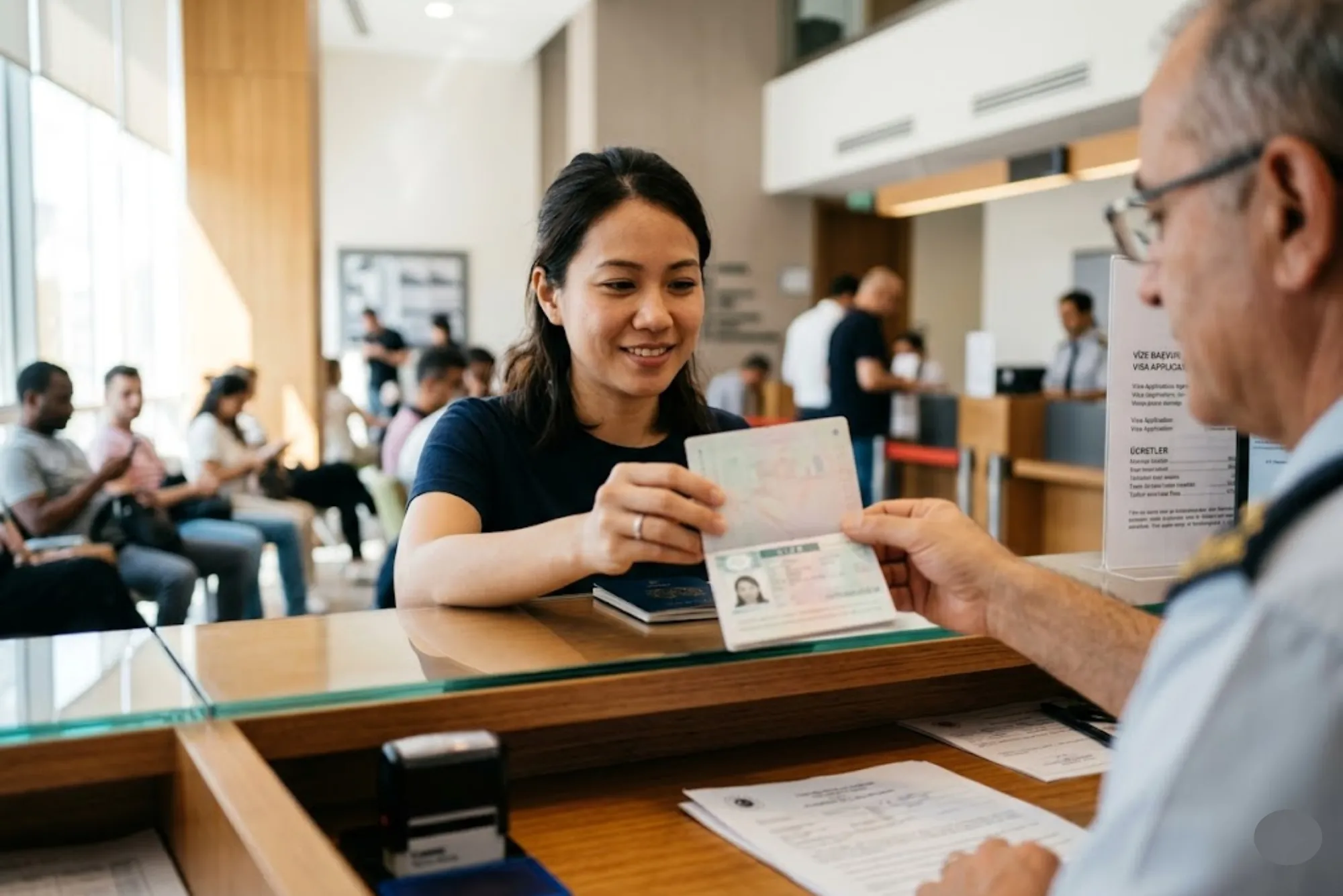
If your nationality requires a sticker visa, the process is more involved. While requirements vary slightly by consulate, the general framework is consistent across Turkish diplomatic missions worldwide.
Documents Typically Required
- Valid passport (at least 6 months validity beyond intended stay, with blank pages)
- Completed visa application form (downloadable from the Turkish embassy website for your country)
- Recent passport-sized photographs (as per embassy specifications)
- Proof of accommodation in Turkey (hotel booking or host invitation letter)
- Return or onward flight ticket
- Bank statements showing sufficient funds (typically covering $50–100 per day of stay)
- Travel insurance covering the duration of stay
- Visa fee payment (cash or demand draft as specified by the embassy)
Processing Time for Sticker Visas
Standard processing at Turkish embassies takes between 5 and 15 business days, though it can extend to 3–4 weeks during peak periods or when additional background checks are required. Apply well in advance — ideally 4–6 weeks before your intended travel date.
Turkey Visa for Pakistani Citizens: Specific Process in 2026
Pakistani passport holders must apply for a sticker visa through the Turkish Embassy in Islamabad or the Turkish Consulate General in Karachi. Pakistan is not among the nationalities currently eligible for the Turkey e-Visa. The process requires an in-person appointment at the embassy, and biometric data (fingerprints and photograph) is collected on-site.
The standard single-entry tourist visa fee for Pakistani applicants currently falls in the $60–$100 range when converted from Turkish Lira, though applicants should verify the current exchange-adjusted fee directly with the embassy before their appointment. Bank statements and accommodation proof are scrutinised carefully, so ensuring these documents are thorough and consistent will significantly improve your application’s chances.
For broader context on managing visa processes and international travel costs, our travel price guides cover a wide range of destinations and cost breakdowns that can help you plan multi-country itineraries more effectively.
Visa Validity and What It Actually Means
A common point of confusion is the difference between visa validity and permitted stay duration. These are not the same thing, and conflating them has led to unintentional overstays for many travellers.
| Term | Definition | Example |
|---|---|---|
| Visa validity period | The window within which you must enter Turkey | 180 days from issue date |
| Maximum stay duration | How long you can remain per visit | 30 or 90 days per entry |
| Single entry | One entry only within the validity window | Enter once, then visa expires |
| Multiple entry | Can enter and exit multiple times | Valid for several trips within the period |
| 90/180 rule (visa-free) | Max 90 days in any 180-day rolling period | Applies to visa-free nationalities |
Common Mistakes That Cost Travellers More Money
Avoidable errors in the Turkey visa process regularly result in unnecessary costs, delays, or outright refusals. Understanding the most common pitfalls can save you both time and money.
- Applying through unofficial third-party websites and paying 2–3× the government fee for a service the official portal provides for free.
- Entering incorrect passport details, which invalidates the visa and requires a new application (and full payment).
- Confusing visa validity with maximum stay, which leads to overstays and potentially significant fines.
- Not checking reciprocity status before the trip — Turkey updates its visa-free and e-Visa eligible lists periodically. What was visa-free two years ago may require a visa today.
- Submitting incomplete bank statements for sticker visa applications, leading to additional documentation requests and delays.
- Ignoring travel insurance requirements — some Turkish consulates reject applications that do not include adequate health insurance coverage.
Extending Your Stay: Residence Permits and Long-Term Options
If you intend to stay in Turkey for more than 90 days, a tourist visa — whether e-Visa or sticker — will not be sufficient. You will need to apply for a Turkish residence permit after arrival. The short-term residence permit is the most common option for language students, remote workers, and long-term tourists.
Applying for residency involves an appointment at the Provincial Directorate of Migration Management, a fee (currently in the 1,000–3,000 Turkish Lira range depending on duration), and various supporting documents including a rental contract and health insurance. Failing to apply before your visa or visa-free period expires will result in fines and potential entry bans. Planning ahead and understanding these costs before your trip prevents expensive surprises later.
For those interested in exploring Turkey’s coastal attractions and local culture during their stay, our detailed regional destination guides across the Middle East and broader region can help you plan connected itineraries with neighbouring countries.
Turkey vs Other Popular Destination Visa Costs: A Quick Comparison
Context matters when evaluating visa costs. Knowing how Turkey compares to other popular travel destinations in the region helps travellers make smarter budgeting decisions — especially for multi-country trips.
| Destination | Visa Type Available | Approx. Cost (USD) | Processing Time |
|---|---|---|---|
| Turkey | e-Visa / Sticker | $20–$200+ | Minutes–4 weeks |
| Dubai (UAE) | e-Visa / Visa on arrival | $90–$110 | 3–5 days |
| Egypt | e-Visa / VoA | $25 | Minutes–hours |
| Jordan | Visa on arrival / e-Visa | $56 | On arrival |
| Morocco | Visa-free (many nationalities) | $0 | N/A |
| Oman | e-Visa | $13–$52 | 1–3 days |
Turkey’s e-Visa sits competitively within this range, particularly given the country’s scale — it offers coast, mountains, history, and cuisine all under one visa stamp.
Frequently Asked Questions
1. Can I apply for a Turkey visa on arrival in 2026?
Visa on arrival at Turkish airports was phased out for most nationalities. The primary routes are now e-Visa (online, before travel) and sticker visa (via consulate). Cruise ship visitors staying under 72 hours at a port city may still qualify for an exemption, but this does not apply to air travellers.
2. Is the Turkey e-Visa fee refundable if my application is rejected?
No. Turkey’s e-Visa fee is non-refundable under all circumstances, including rejection, cancellation, incorrect details, or change of travel plans. Verify your eligibility and double-check all entered information before completing payment.
3. How long does a Turkey e-Visa take to process?
The vast majority of e-Visa applications processed through evisa.gov.tr are approved within minutes to a few hours. In some cases — typically where manual review is triggered — the process can take up to 24–48 hours. Applying at least 48 hours before departure is strongly recommended as a buffer.
4. Does the visa fee change if I apply through a third-party website?
Yes — third-party websites add their own service fees on top of the official government charge. These platforms are legal but unnecessary. Applying directly through evisa.gov.tr is faster, cheaper, and equally straightforward.
5. What happens if I overstay my Turkey visa?
Overstaying your visa period results in mandatory fines payable in cash at the point of departure, and may result in entry bans of between one month and five years. If you anticipate needing a longer stay, apply for a residence permit before your visa expires — not after.
6. Are Turkey visa fees the same for every nationality?
No. Turkey applies the reciprocity principle, meaning the fee a Turkish citizen would pay for a visa to your country influences what you pay for a Turkish visa. This is why Americans, Australians, and Eastern Europeans each pay different amounts even when applying for the same e-Visa type.
Final Thoughts: Planning Your Turkey Trip Budget in 2026
Understanding the true visa price to Turkey in 2026 means looking beyond the headline government fee. Your actual cost depends on your nationality, whether you need an e-Visa or a sticker visa, which platform you use to apply, and whether you need to account for document preparation costs, courier services, or currency conversion charges.
For most e-Visa eligible travellers, the total cost will land somewhere between $50 and $80 when applying directly through evisa.gov.tr. For those going the consulate route, budgeting $100–$250 is a reasonable baseline, depending on nationality and personal circumstances.
The single most important rule: always use the official government portal for e-Visa applications, apply well in advance, and verify your current visa status with the Turkish Ministry of Foreign Affairs or your nearest Turkish embassy before booking flights. Turkey is one of the most rewarding destinations in the world — arriving fully prepared makes the experience even better.
For more detailed travel cost comparisons across global destinations, explore our full travel price guides — including our complete Dubai visa cost breakdown for 2026.