
Introduction
Flying with a pet can be surprisingly stressful. The carrier has to be comfortable for your pet, easy to carry through the airport, and small enough to slide under the seat. That last part is where many travelers run into trouble.
The best airline approved pet carriers are not simply the ones labeled “airline approved.” Airlines have different size limits, and the available space can vary by aircraft and seat. A carrier that works on one airline may be too tall for another.
For example, American Airlines currently recommends soft-sided carriers measuring up to 18 × 11 × 11 inches on its flights. It also requires the pet to remain inside the carrier under the seat throughout the flight. Southwest, meanwhile, allows carriers up to 18 × 10.5 × 10 inches, while recommending soft-sided designs because under-seat space can vary.
That means choosing a carrier requires more than checking a product label. You need to compare dimensions, construction, ventilation, access, and your airline’s specific rules.
What Makes the Best Airline Approved Pet Carriers?
The best airline approved pet carriers balance airline compliance with your pet’s comfort. A carrier can be technically small enough for an aircraft but still be uncomfortable if your pet cannot move naturally.
Soft-sided construction
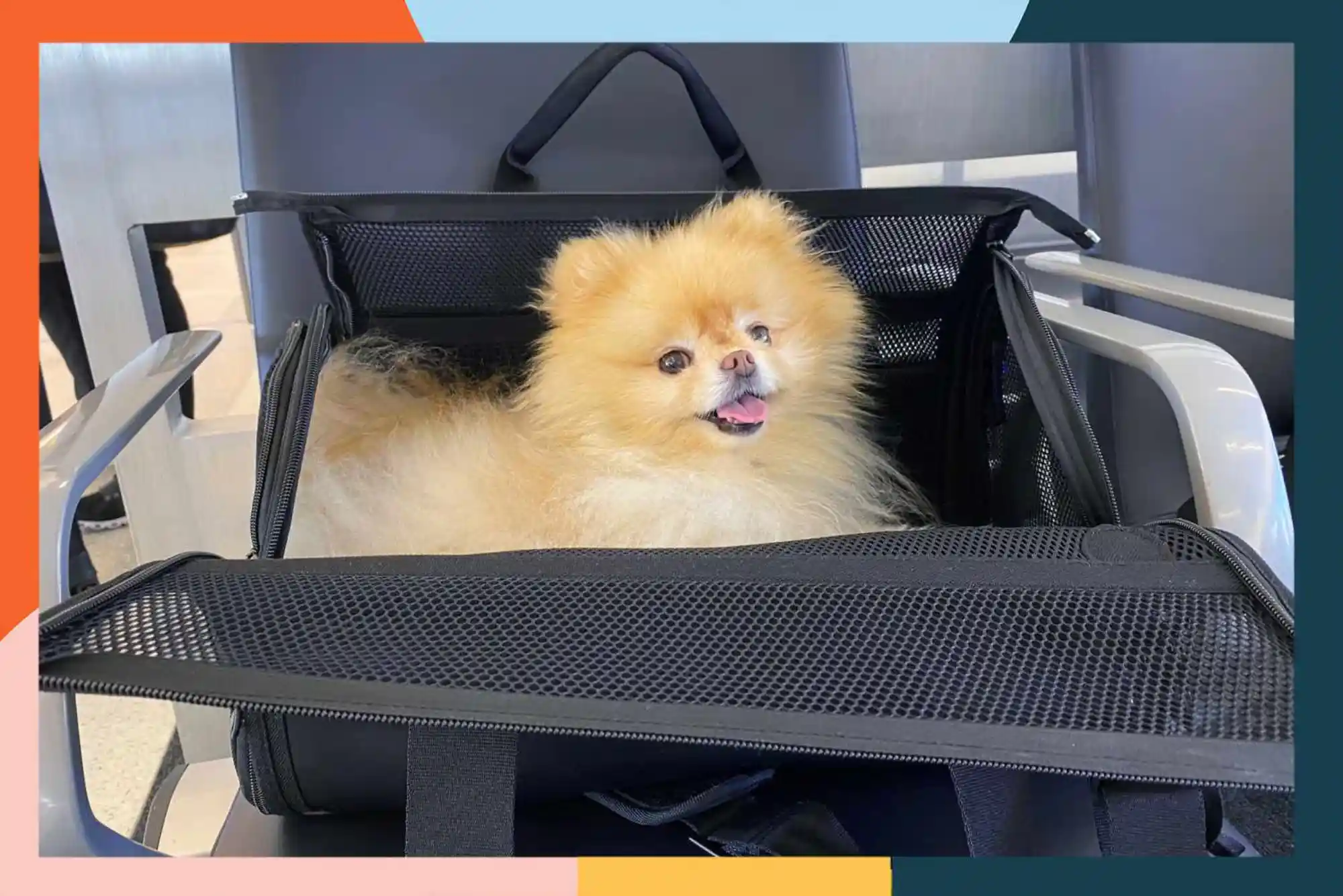
Soft-sided carriers are usually the most practical choice for cabin travel. They can compress slightly when placed under a seat, making them easier to fit into limited space.


American Airlines specifically recommends soft-sided, collapsible kennels for carry-on pets. Its requirements include secure construction, padding, water-repellent material, and ventilation on at least three sides.
A flexible top is particularly useful when the seat compartment is slightly lower than expected.
Correct under-seat dimensions
Never assume that one universal carrier size works for every airline.
Major U.S. airlines commonly use dimensions around 18 inches long and 11 inches wide, but height requirements can differ considerably. Some airlines have limits closer to 8.5 or 9 inches in height.
If you regularly fly different airlines, choose your carrier based on the strictest airline you expect to use.
Good ventilation
Air circulation matters during a flight. Look for mesh panels on several sides rather than a carrier with only one small ventilation opening.
Multiple mesh panels also let your pet see outside, which can make the airport experience less intimidating.
Secure zippers and closures
A nervous cat or small dog can become surprisingly determined when it wants to escape.
Look for sturdy zippers that can be secured together. Avoid carriers with weak mesh, loose seams, or openings that your pet can push through.
A comfortable interior
Your pet should be able to sit, lie down, and adjust its position comfortably within the carrier.
However, cabin carriers have an unavoidable size limitation. The goal is to find the largest carrier that safely fits the airline’s requirements without making the carrier so small that your pet is cramped.
How to Choose an Under-Seat Pet Carrier
Choosing among the best airline approved pet carriers starts with your airline, not the product page.
Check your airline’s current rules first
Airline requirements can change, and aircraft configurations can affect available under-seat space.
American Airlines states that non-collapsible kennels cannot exceed the under-seat dimensions of the aircraft used for the journey. It also notes that soft-sided carriers may be slightly larger because they can compress, provided they still fit without excessive force.
Southwest similarly states that the carrier must fit under the seat and recommends soft-sided carriers because space varies according to seat type and aircraft.
Always check the airline’s official pet policy immediately before purchasing.
Measure your pet carefully
Measure your pet while standing naturally.
For a dog, measure from the floor to the top of the head or ears, depending on how the carrier manufacturer specifies its measurement requirements. Also measure body length from the nose to the base of the tail.
For cats, measure from the nose to the base of the tail and consider their height when sitting.
Do not rely only on your pet’s weight. Two pets weighing the same amount can have completely different body shapes.
Measure the carrier’s exterior
Pay attention to the manufacturer’s outside dimensions.
A carrier advertised as 18 inches long may actually have a smaller usable interior. Wheels, handles, rigid frames, and thick padding can also reduce usable space.
For cabin travel, exterior dimensions are particularly important because the carrier must fit into a physical space beneath the seat.
Why Soft-Sided Carriers Usually Work Better
Soft-sided carriers dominate cabin travel for a simple reason: flexibility.
A rigid carrier has a fixed shape. If the available space is slightly shorter than the carrier’s height, there is little you can do.
A soft carrier can compress modestly without damaging its structure. That can make a major difference when sliding it beneath an aircraft seat.
Still, flexibility does not mean unlimited compression. You should not force an oversized carrier under the seat and leave your pet squeezed inside it.
A good soft-sided carrier should maintain its shape around the pet while allowing the upper portion to flex where necessary.
Important Features to Look For
When comparing the best airline approved pet carriers, focus on features that improve both safety and convenience.
Ventilation on multiple sides
Three or more ventilated sides are particularly useful for air circulation. Mesh also makes it easier to check on your pet without opening the carrier.
Padded shoulder straps
Airports can involve considerable walking. A padded shoulder strap or comfortable carrying handle can make the carrier much easier to manage.
Seatbelt attachment
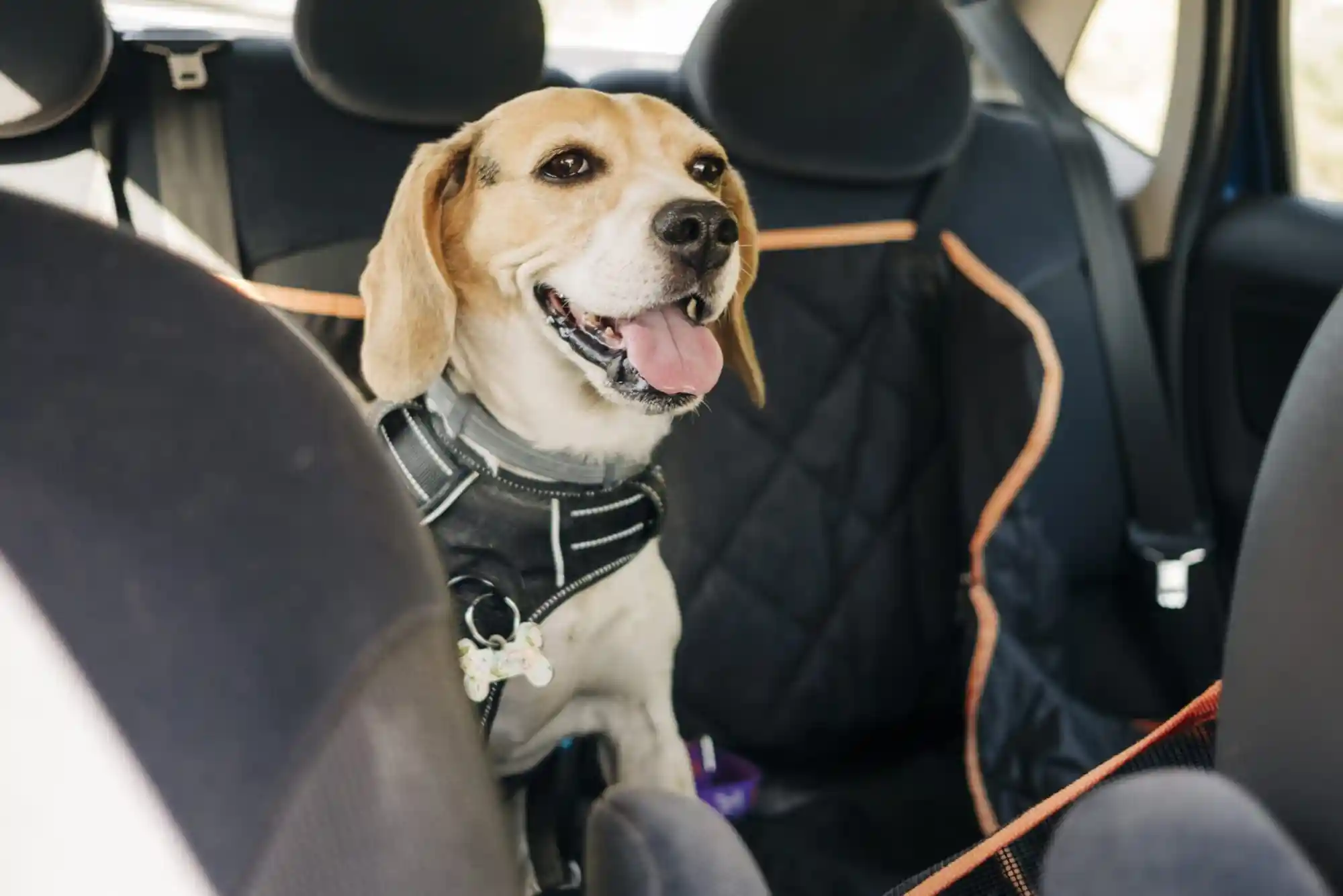
A seatbelt strap can be useful before and after the flight, particularly when traveling by car. However, make sure any attachment point is securely stitched and intended for that purpose.
Water-resistant materials
Accidents can happen during stressful travel. A water-resistant exterior and leak-resistant base make cleaning easier.
Removable washable bedding
A removable liner is extremely useful. You can wash it before and after the trip and replace it with familiar bedding during travel.
Expandable sections
Expandable panels can give your pet more room when you are waiting at an airport or staying somewhere after the flight.
However, expanded sections generally cannot be used during the flight if the carrier must remain under the seat. Always follow the airline’s instructions.
Airline Rules Matter More Than the “Airline Approved” Label
One of the biggest mistakes travelers make is trusting the words “airline approved” on packaging.
There is no single universal cabin-carrier standard that guarantees acceptance on every airline.
American Airlines, for example, lists an 18 × 11 × 11-inch maximum for soft-sided carriers on its flights. Southwest lists a different maximum of 18 × 10.5 × 10 inches for other approved carriers.
This difference may look small on paper. At an airport, however, an extra inch can determine whether a carrier fits beneath the seat.
The aircraft matters too. American notes that under-seat space and pet restrictions can vary by aircraft and cabin. Some seats, including bulkhead and exit-row seats, are not available for carry-on pets.
For that reason, confirm both the carrier dimensions and your assigned seat restrictions.
Common Mistakes When Buying a Cabin Pet Carrier
Even experienced pet owners can make a few avoidable mistakes.
Buying based only on weight capacity
A carrier may support a 15-pound pet but have an interior shape that is uncomfortable for that particular animal.
Weight is useful, but dimensions matter more for cabin comfort.
Ignoring carrier height
Height is often the most difficult dimension for under-seat travel.
Research comparing major U.S. airlines in 2026 found that length and width are relatively similar across many carriers, while height limits vary more substantially.
Choosing a carrier that is too rigid
A rigid carrier can be harder to position under the seat. Unless your airline specifically requires a hard-sided kennel, a quality soft-sided design is often more practical for cabin travel.
Forgetting about the aircraft
The same airline may operate several aircraft types. Under-seat space can differ between them.
Check your actual flight rather than relying only on the airline’s general policy.
Testing the carrier for the first time at the airport
This is a recipe for unnecessary stress.
Introduce the carrier at home weeks before the trip. Let your pet explore it voluntarily and use familiar bedding inside.
The carrier should become a familiar resting place rather than something associated only with airports and veterinarians.
How to Prepare Your Pet for the Flight
Even the best airline approved pet carriers cannot solve every travel problem. Your pet also needs preparation.
Start carrier training well before departure.
Place the carrier somewhere your pet already likes to spend time. Add familiar bedding and occasionally offer treats inside.
Once your pet is comfortable, practice carrying the carrier around your home. Then progress to short car journeys if your pet tolerates them.
For nervous pets, speak with your veterinarian before traveling. Do not independently use sedatives simply to make the journey easier. American Airlines notes that it does not accept pets that have been sedated or tranquilized and cites veterinary concerns about respiratory and cardiovascular risks at altitude.
What Size Carrier Is Best for Under-Seat Flights?
There is no single perfect size for every airline.
As a general starting point, many U.S. airlines use an under-seat footprint around 18 × 11 inches, but height can vary significantly.
If you primarily fly an airline allowing approximately 18 × 11 × 11 inches, that size can provide useful interior space for a small cat or dog.
If you fly an airline with a substantially lower height limit, you may need a shorter carrier.
The key is to work backward from your airline’s published maximum dimensions.
Your pet should fit comfortably inside while the carrier itself fits under the seat.
Are Airline Approved Pet Carriers Worth It?
For travelers who regularly fly with a small dog or cat, a purpose-built airline carrier is usually more practical than an ordinary pet bag.
The right carrier combines ventilation, secure closures, padding, manageable weight, and an appropriate under-seat shape.
The most important point is not the marketing phrase “airline approved.” It is whether the carrier meets the specific airline and aircraft requirements for your flight.
A carrier that fits those requirements and keeps your pet comfortable is the real goal.
FAQs
What size pet carrier fits under an airplane seat?
There is no universal size. Many major U.S. airlines use dimensions around 18 × 11 inches for length and width, while height requirements differ. American Airlines lists 18 × 11 × 11 inches for soft-sided carriers, while Southwest lists 18 × 10.5 × 10 inches for other carriers.
What is the best airline approved pet carrier?
The best airline approved pet carrier is one that fits your airline’s current under-seat dimensions while giving your pet enough room to sit, lie down, and adjust position. A soft-sided, well-ventilated carrier is generally practical for cabin travel.
Can I take a soft pet carrier on a plane?
Yes. Many airlines allow or recommend soft-sided carriers for in-cabin pets. American Airlines recommends soft-sided collapsible kennels, and Southwest recommends soft-sided carriers because under-seat space can vary.
Do airlines actually measure pet carriers?
Airline procedures vary, and acceptance depends on the carrier meeting the airline’s requirements. Because under-seat space is limited, you should never assume that a carrier will be accepted simply because a manufacturer calls it airline approved.
Can my dog stay in the carrier during the entire flight?
For carry-on pet travel, airlines generally require the pet to remain inside the carrier while onboard. American Airlines, for example, requires carry-on pets to stay in the carrier under the seat throughout the flight.
Can a pet carrier be slightly larger if it is soft-sided?
Some airlines allow limited flexibility because soft-sided carriers can compress. American Airlines specifically states that soft-sided carriers may be slightly larger but must still fit under the seat without excessive collapsing.
Should I choose a hard or soft pet carrier for flying?
For most in-cabin situations, a soft-sided carrier is easier to position under an aircraft seat. However, always follow your specific airline’s requirements. Some routes, aircraft, or circumstances may have different rules.
Choosing among the best airline approved pet carriers is really about finding the right balance between under-seat fit, pet comfort, ventilation, security, and airline compliance.
Start by checking your airline’s current pet policy. Then measure your pet and compare the carrier’s exterior dimensions with the exact requirements for your aircraft. A soft-sided design with good ventilation, secure closures, washable padding, and modest flexibility is often the most practical choice for cabin travel.