
Introduction
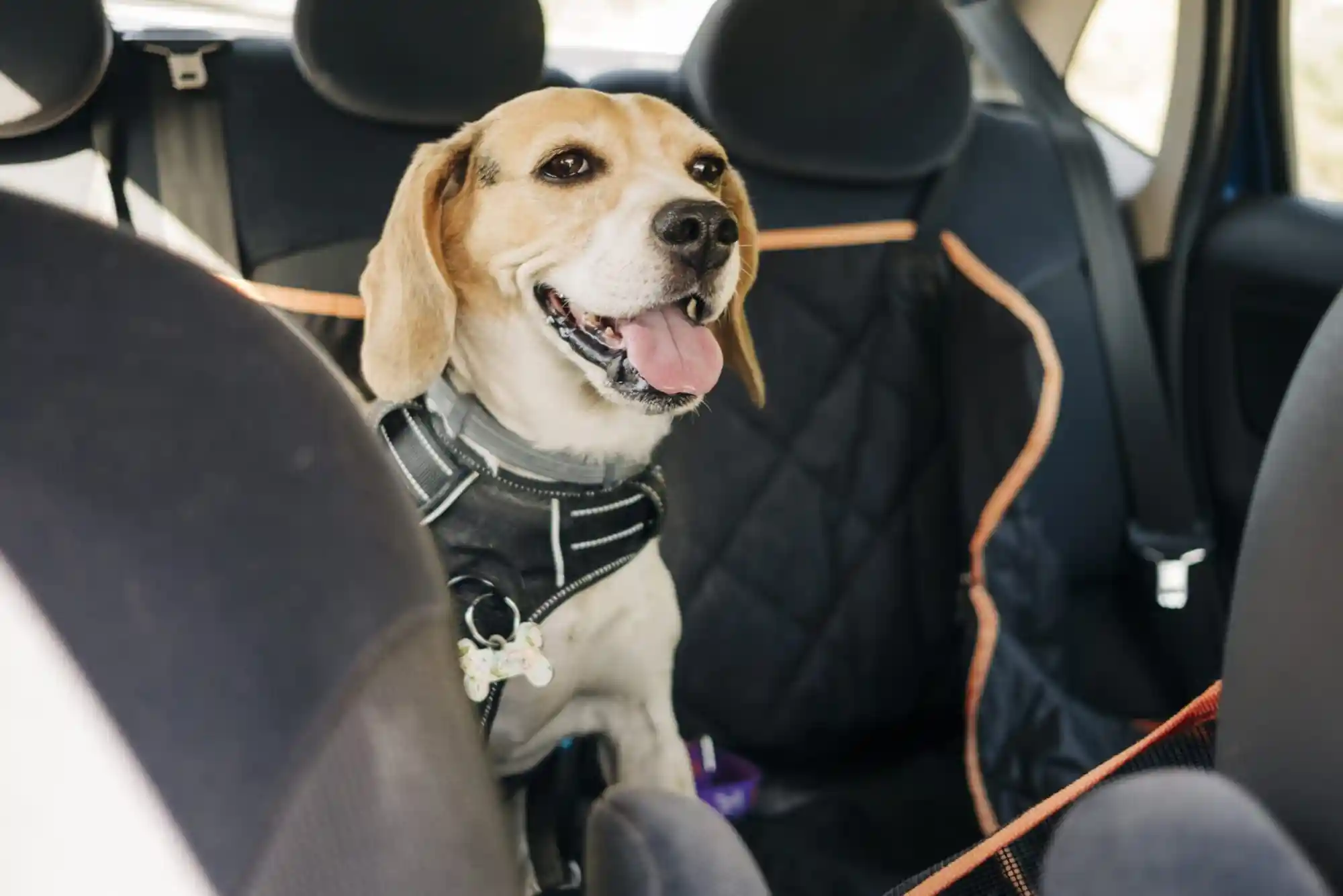
Taking your dog for a drive can be fun, but an unrestrained dog can become a serious safety risk. During sudden braking or a collision, a loose dog may be thrown forward, injured, or even become a danger to passengers. That is why choosing the right dog seat belts and a properly designed backseat setup matters.
A good restraint should do more than keep your dog from moving around the cabin. It should control forward movement, work with a suitable harness, and connect securely to the vehicle. The Center for Pet Safety (CPS) emphasizes independent testing because pet travel products do not have the same standardized federal crash-safety requirements as human passenger restraints.
For everyday travel, the goal is simple: keep your dog safely positioned in the back seat while minimizing distractions for the driver. This guide explains what to look for in dog seat belts, how car hammocks fit into the setup, and which safety claims deserve closer attention.
Why Dog Seat Belts Matter for Backseat Safety
A dog sitting loose in the back seat can move unpredictably. Even a calm dog can be thrown forward during emergency braking. A collision creates much greater forces.
The American Kennel Club recommends keeping dogs restrained in a crate or using a crash-tested dog seat belt. It also advises against allowing dogs to ride unrestrained in the vehicle.
A restraint can also help prevent your dog from climbing into the front cabin. That reduces distractions while you are driving and helps keep your dog away from the front passenger airbag.


Loose Dogs Can Become Projectiles
During a crash, your dog’s body continues moving until another object stops it. That object could be a seat, dashboard, windshield, or even another passenger.
The Center for Pet Safety’s early crash-testing research demonstrated why restraint design matters. Its testing found failures involving excessive movement, contact with vehicle structures, and forces that could cause serious injury.
This is why simply attaching a leash to your dog’s collar is not an appropriate substitute for a properly designed vehicle restraint.
What Makes Dog Seat Belts Safer?
Not every product marketed as a dog seat belt offers the same level of protection. Some are essentially short leashes with clips. Others are designed to connect to a crash-tested harness.
When shopping for dog seat belts, focus on the complete restraint system rather than the tether alone.
Use a Properly Designed Harness
A vehicle restraint should generally attach to a harness designed for travel rather than directly to a dog’s neck.
A harness distributes forces across the dog’s body more effectively than a collar. However, a harness being strong does not automatically mean it is crash-safe.
CPS specifically notes that strength testing alone is not evidence of crash protection. A restraint also needs to control the dog’s movement during a collision.
Look for Independent Crash Testing
Terms such as “tested,” “safety tested,” and “crash tested” can mean very different things.
Independent certification provides more useful information. CPS maintains a database of products that have undergone its testing and certification process.
When evaluating dog seat belts, check whether the exact harness or restraint system has been tested. Do not assume that a brand’s entire product range has passed testing simply because one product has.
Check the Attachment Hardware
The clip, connection point, stitching, and vehicle attachment all matter.
A strong harness connected to a weak tether does not create a reliable restraint system. Similarly, a durable tether attached incorrectly to the vehicle can compromise the setup.
Follow the manufacturer’s installation instructions carefully and inspect the equipment regularly for fraying, damaged buckles, loose stitching, or worn connection points.
Are Car Hammocks Safe for Dogs?
Dog car hammocks are popular because they cover the back seat and create a larger, contained area for the dog. They can also protect upholstery from fur, mud, scratches, and accidents.
However, a car hammock should not automatically be considered a crash restraint.
A hammock primarily creates a barrier or surface between the dog and the seats. It does not necessarily prevent forward movement during a collision.
Hammock Plus Harness Is a Different Setup
A properly installed hammock can be useful alongside an appropriate restraint system.
For example, the hammock can help prevent a dog from falling into the footwell while the harness and restraint limit movement. This combination can also make the back seat more comfortable for dogs that move around during ordinary driving.
The key is not to treat the hammock itself as the crash-protection component.
Avoid Designs That Encourage Excessive Movement
Some hammock systems include long straps or extension-style tethers. These can allow a dog to travel farther before the restraint becomes fully engaged.
CPS specifically warns against extension tethers and zipline-style products because excessive movement can increase injury risk during sudden deceleration.
For this reason, shorter, properly engineered restraint connections are preferable to giving a dog a large amount of travel distance.
Dog Seat Belts vs. Car Hammocks
These products serve different purposes.
A dog seat belt or vehicle restraint is primarily intended to control the dog’s movement. A car hammock is mainly intended to create a contained backseat environment and protect the vehicle interior.
For dogs that are comfortable wearing a harness, a properly tested restraint can provide a more direct approach to controlling movement.
A hammock can then add comfort and containment.
Neither product should be judged solely by appearance. The most important question is how the complete system performs under crash forces.
How to Choose Dog Seat Belts for Different Dogs
Your dog’s size, body shape, behavior, and travel habits all affect your choice.
Small Dogs
Small dogs can often be easier to contain, but their size does not eliminate crash risk.
Choose a properly fitted harness and restraint designed for your dog’s measurements. Avoid oversized equipment that allows excessive movement.
Medium Dogs
Medium-sized dogs have enough body mass to generate significant forces during sudden deceleration.
A secure backseat harness system is particularly important for active dogs that frequently move from one side of the vehicle to another.
Large Dogs
Large dogs require especially careful attention to restraint strength and fit.
CPS’s early harness research used a 55-pound crash-test dog and specifically investigated the forces associated with larger dogs traveling in vehicles.
For large breeds, verify the manufacturer’s weight range and testing information rather than relying on generic claims.
Common Dog Seat Belt Mistakes to Avoid
Even a good restraint can be used incorrectly.
One common mistake is attaching the restraint to a collar. Another is using an excessively long tether. Some owners also allow their dog to sit in the front seat, where airbags create additional hazards.
The AKC recommends keeping dogs in the back seat and advises turning on child locks when dogs are traveling there.
Don’t Attach a Restraint to a Retractable Leash
Retractable leashes are designed for walking, not vehicle crash protection.
They allow considerable movement and are not engineered to control a dog’s body during a collision.
Don’t Assume a Strong Harness Is Crash-Tested
A product can survive a basic pulling test without providing effective crash protection.
CPS explains that preliminary strength testing is only one part of its evaluation process and does not establish crash protection by itself.
Don’t Let Your Dog Ride With Its Head Out the Window
The open window may look harmless, but it creates additional risks from debris, sudden turns, and unexpected movement.
The AKC recommends keeping vehicle windows closed or only slightly open rather than allowing a dog to put its head outside.
How to Set Up a Safe Backseat Dog Travel Area
Start by choosing the appropriate restraint for your dog’s size and vehicle.
Install the harness according to the manufacturer’s instructions. Position your dog in the back seat, preferably where the restraint can operate as designed without excessive slack.
If you use a car hammock, install it securely across the intended attachment points. Make sure it does not interfere with seat-belt buckles or prevent human passengers from using their restraints.
Before a long trip, take several short drives.
Watch your dog’s behavior. If the harness rubs, restricts breathing, causes discomfort, or allows too much movement, reassess the fit.
Comfort matters because a dog that constantly fights its restraint can become a distraction for the driver.
What Does “Crash-Tested” Actually Mean?
This is one of the most important questions to ask before buying dog seat belts.
There is no universal assumption that every product carrying the phrase “crash-tested” has passed the same test.
CPS developed independent testing protocols because canine vehicle restraints historically lacked standardized safety requirements. Its certification program evaluates products against independent safety standards and provides information about tested products.
Therefore, look beyond advertising language.
Check who performed the test, what product was tested, what size was tested, and whether the manufacturer provides specific evidence.
A manufacturer saying “we tested this product” is different from independent certification.
Are Car Hammocks Crash-Tested?
Some products marketed as car hammocks may include additional restraint components, but a hammock by itself should not be assumed to provide crash protection.
The CPS certification database focuses on certified safety products such as harnesses, carriers, and crates.
This distinction is important when shopping. A padded hammock may be excellent for protecting your seats while still offering limited protection during a collision.
Think of the hammock as part of the travel environment rather than automatically treating it as the restraint.
Backseat Safety Tips for Long Road Trips
A secure restraint is only one part of safe travel.
Give your dog regular breaks during long drives. Allow time for water, bathroom needs, and movement outside the vehicle.
Keep food portions sensible before traveling if your dog is prone to motion sickness. Familiar bedding can also help nervous dogs settle.
Most importantly, never allow your dog to interfere with the driver’s controls.
A calm, properly restrained dog makes the trip safer for everyone in the vehicle.
Build a Safer Backseat Setup
Choosing dog seat belts is not simply about finding a strap that clips into your car. Real vehicle safety depends on the entire system: harness fit, restraint design, connection hardware, installation, and independent testing.
A car hammock can add comfort and protect your upholstery, but it should not be confused with a crash restraint. When safety is the priority, look for independently tested products and avoid unsupported claims based only on marketing language.
Before your next road trip, inspect your dog’s harness and restraint, confirm the fit, secure the backseat area, and take a short test drive. For additional guidance, review the Center for Pet Safety’s certified-product database and research before purchasing.
FAQs
What is the safest way for a dog to ride in a car?
A properly secured crate or independently tested vehicle harness can provide a safer travel arrangement than allowing a dog to ride loose. The AKC recommends using a crate or crash-tested dog seat belt and keeping dogs restrained during vehicle travel.
Are dog seat belts actually safe?
They can improve vehicle safety when the complete restraint system is appropriately designed, correctly fitted, and independently tested. Not every product sold as a dog seat belt has the same level of evidence, so buyers should check the specific product’s testing information.
Should dogs wear a harness or seat belt in the car?
For vehicle travel, a harness designed for use with a suitable restraint is generally preferable to attaching a tether directly to a collar. The harness should fit correctly and be compatible with the vehicle restraint.
Are dog car hammocks safe in an accident?
A hammock can help contain a dog and protect the vehicle’s seats, but it should not automatically be considered crash protection. A properly tested restraint is still needed to control the dog’s movement during sudden deceleration.
What should I look for in a crash-tested dog seat belt?
Look for independent testing, appropriate sizing, secure hardware, correct installation instructions, and evidence that the specific restraint has been evaluated. CPS recommends looking for its Certified logo when shopping for pet travel products.
Can I use a dog seat belt with a car hammock?
Yes, the two can serve different purposes. The restraint controls the dog’s movement, while the hammock can provide a more comfortable and contained backseat surface. Make sure the hammock does not interfere with the restraint or vehicle seat belts.
Are extension tethers safe for dogs in cars?
CPS advises against extension tethers and zipline-style products because they can allow excessive movement and increase injury risks during sudden stops or crashes.
Should my dog ride in the front or back seat?
The back seat is generally preferable because it keeps your dog away from the front passenger airbag. The AKC specifically recommends the back seat for dogs traveling in vehicles.