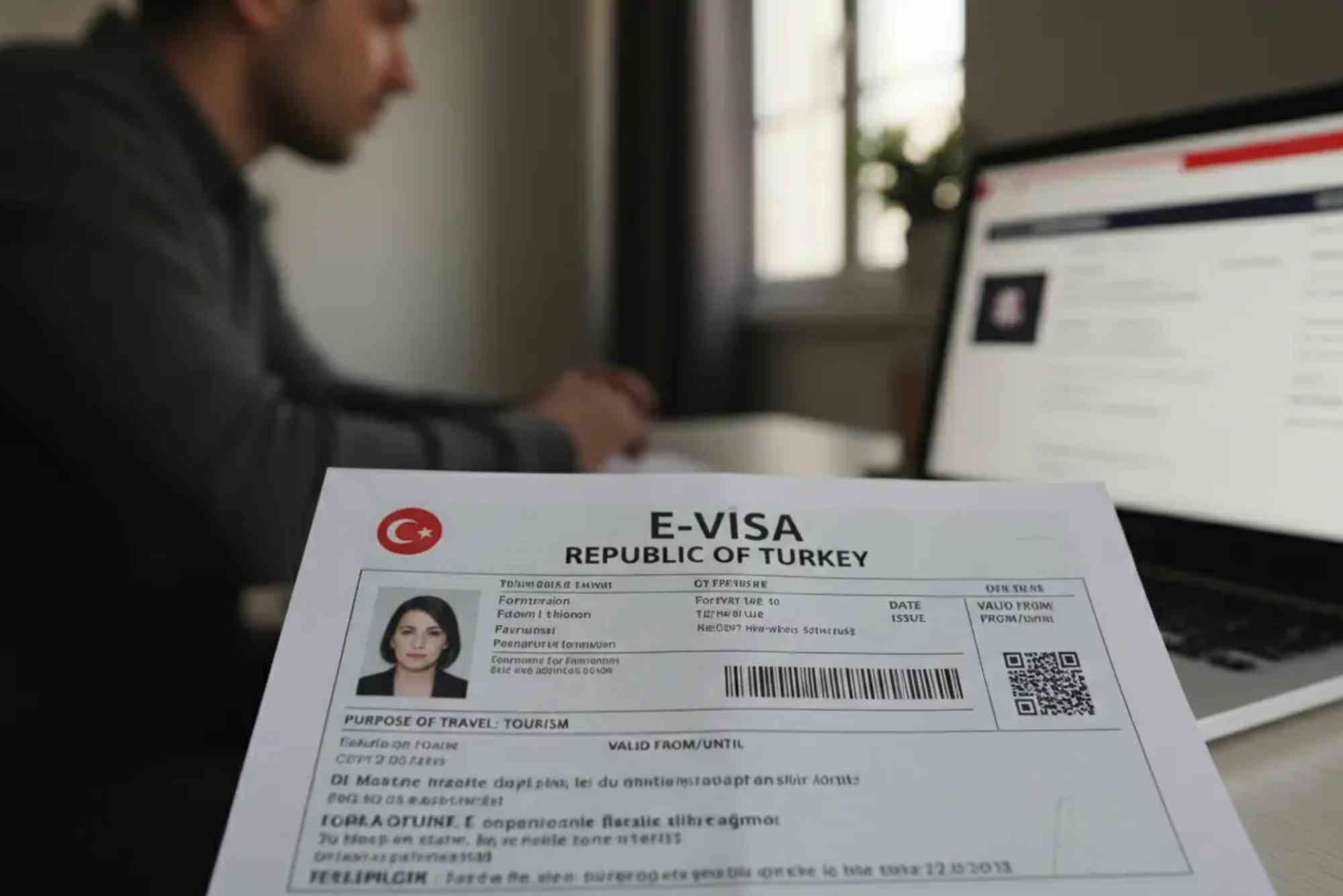

Planning a holiday in Europe requires more than booking flights and accommodation. Visa expenses are also an important part of your travel budget. The Europe Tourist Visa Price in 2026: Latest Fees, Cost & Charges depends mainly on the type of visa, your age, nationality, application centre, and additional services. For most travellers visiting Schengen countries for tourism, the standard adult visa fee is €90. Children aged 6 to under 12 generally pay €45, while children under six are normally exempt from the visa fee.
However, the visa fee is only one part of the total cost. Applicants may also need to pay service charges, travel medical insurance, document translation fees, photographs, transportation, and other application-related expenses. Therefore, understanding the complete Europe Tourist Visa Price in 2026: Latest Fees, Cost & Charges can help you prepare a realistic travel budget.
Europe Tourist Visa Price in 2026: Latest Fees & Charges
For most short-term tourist trips to the Schengen Area, the official adult visa fee is €90. The fee applies to applicants aged 12 and above. Children aged 6 to under 12 pay €45, while children under six generally do not pay a visa application fee.
The current fee structure was introduced on 11 June 2024. The European Commission increased the standard adult fee from €80 to €90 and the child fee from €40 to €45.
The following table provides a simple overview of the standard Europe Tourist Visa Price in 2026: Latest Fees, Cost & Charges.
| Applicant category | Standard Schengen visa fee |
|---|---|
| Adults aged 12 and above | €90 |
| Children aged 6 to under 12 | €45 |
| Children under 6 | Usually free |
| Certain visa-facilitation nationals | Special reduced fee may apply |
| External service provider | Additional service fee may apply |
The exact amount charged in your local currency can vary because consulates may collect the fee in the local currency. Exchange rates and official rounding rules can affect the final amount.
What Does the Europe Tourist Visa Cost Include?
The €90 fee is the official visa application charge. It covers the processing of your short-stay Schengen visa application. It does not cover every expense connected with preparing your trip.
For example, you may need to purchase travel medical insurance before submitting your application. You may also spend money on photographs, transportation to the visa centre, document translations, and photocopies.
If you use an authorised external service provider, an additional service fee can apply. European Union rules state that this service fee is generally limited to half of the standard visa fee.
Therefore, the actual Europe Tourist Visa Price in 2026: Latest Fees & Cost can be higher than €90 when additional application expenses are included.
Europe Tourist Visa Price in 2026 for Pakistani Travellers
For Pakistani travellers, the standard Schengen visa fee is generally €90 for applicants aged 12 and above. Children aged 6 to under 12 generally pay €45.
However, Pakistani applicants should not consider €90 their complete application budget. Local service charges and other preparation costs can increase the final amount.
Currency conversion is another consideration. Since the official fee is set in euros, the amount paid in Pakistani rupees can change with exchange rates. The consulate or authorised application provider determines the applicable local-currency amount according to the relevant rules.
Applicants should therefore check the current fee shown by the embassy or authorised visa application centre before making payment.
Additional Costs You Should Consider
Understanding the Europe Tourist Visa Price in 2026: Latest Fees, Cost & Charges means looking beyond the basic application fee. Several supporting expenses can affect the total cost.
Travel Medical Insurance
Travel medical insurance is normally required for a Schengen visa. It must provide coverage for emergency medical treatment, hospitalisation, and repatriation.
The cost depends on the insurance provider, travel duration, age, destination, and coverage level. A longer trip can result in a higher insurance premium.
Visa Application Centre Service Fee
Some applicants submit their applications through an external service provider. In such cases, the provider can charge a separate service fee.
This amount is different from the official Schengen visa fee. Applicants should always distinguish between the government visa fee and the service provider’s charge.
Photographs and Document Preparation
Applicants generally need photographs that meet the required specifications. Additional expenses can also arise from printing, photocopying, translation, or certification of documents.
These costs are usually smaller than the visa fee. However, they should still be included when calculating your total travel budget.
Transportation Costs
You may need to travel to a visa application centre or embassy for biometric collection or an appointment. Depending on where you live, transportation can become a noticeable part of the overall application cost.
For this reason, the real Europe Tourist Visa Price in 2026: Latest Fees, Cost & Charges should be calculated according to your personal circumstances.
Who Can Get a Schengen Visa Fee Waiver?
Certain applicants can qualify for a visa fee exemption. Children under six are generally exempt. Other categories can include specific students, researchers, and certain participants in educational, cultural, sporting, or nonprofit activities. Family members of EU or EEA citizens may also qualify for special treatment under applicable free-movement rules.
However, eligibility depends on the applicant’s circumstances and the applicable legal rules. Applicants should confirm their eligibility with the relevant consulate before assuming that no fee is payable.
Is Europe Tourist Visa the Same as a Schengen Visa?
The term “Europe tourist visa” is commonly used by travellers, but it is not the formal name of one single visa covering every European country.
For short tourist visits to countries within the Schengen Area, travellers normally apply for a Schengen short-stay visa. This can generally allow travel within participating Schengen countries during the permitted period.
However, not every European country follows the Schengen visa system. Therefore, travellers should identify their exact destination before applying.
The main rule is important when you visit several Schengen countries. You should normally apply through the country that is your main destination, based on where you plan to spend the most time. If your stays are equal, the country of first entry generally determines where you should apply.
Europe Tourist Visa Price in 2026 and Application Requirements
The visa fee alone does not guarantee approval. Applicants must provide evidence supporting the purpose and circumstances of their trip.
Common requirements include a valid passport, completed application form, suitable photographs, travel medical insurance, accommodation evidence, proof of financial means, and documents demonstrating the purpose of travel.
Consulates can request additional documents when necessary. Applicants may also need to provide fingerprints during the application process, subject to applicable exemptions.
A well-prepared application can make the process easier. More importantly, every document should be accurate and consistent with the information provided in the application form.
How Long Does a Europe Tourist Visa Take?
The normal processing period for a Schengen visa is 15 calendar days. In individual cases, processing can take up to 45 days when additional examination or documents are required.
Applicants should avoid leaving the process until the last minute. European Commission guidance states that applications can generally be lodged up to six months before the intended trip and advises applicants to apply at least 15 calendar days before travel.
Because appointment availability can vary, applying earlier is usually a sensible approach.
How to Reduce Your Total Europe Visa Cost
Although the official visa fee is fixed, applicants can avoid unnecessary expenses by preparing carefully.
First, use the correct official or authorised application channel. Avoid paying large amounts to unverified intermediaries. The European Commission warns that intermediaries do not improve your chances of obtaining a visa.
Second, prepare your documents before attending your appointment. Missing paperwork can create additional travel and preparation costs.
Third, compare suitable travel insurance policies while ensuring that the selected policy meets Schengen requirements. Finally, check the current local-currency fee before payment because exchange-rate movements can change the amount you actually pay.
Travellers researching related visa expenses can also compare the current Umrah visa price in Pakistan in 2026 when planning religious travel from Pakistan.
Europe Tourist Visa Price in 2026: Important Things to Remember
The standard Europe Tourist Visa Price in 2026: Latest Fees & Cost for most adult Schengen applicants remains €90. Children aged 6 to under 12 generally pay €45, while children under six are normally exempt.
Nevertheless, your complete budget can be higher because of service charges, insurance, photographs, transportation, translations, and other supporting expenses.
Travellers should also remember that visa fees are generally non-refundable. The application fee is charged for processing and does not mean that the visa will automatically be approved.
If you are also comparing Middle Eastern travel costs, you can review the latest Saudi Arabia visa price in India in 2026 for another useful reference.
Likewise, travellers considering Turkey alongside Europe may find the latest Turkey e-visa price for Pakistani travellers in 2026 helpful for comparing regional travel expenses.
Frequently Asked Questions About Europe Tourist Visa Price in 2026
How much is a Schengen visa in 2026?
The standard Schengen visa fee is €90 for adults aged 12 and above. Children aged 6 to under 12 generally pay €45. Children under six are normally exempt from the visa fee.
Is the Schengen visa fee refundable?
Generally, no. The visa fee is normally non-refundable even when an application is refused. Specific legal exceptions can apply in limited circumstances.
How much bank balance is required for a Europe tourist visa?
There is no single bank-balance figure that applies to every Schengen country and applicant. Financial requirements can vary by destination and circumstances.
Applicants should demonstrate sufficient funds for accommodation, transportation, daily expenses, and the planned stay. Supporting financial documents should be genuine and consistent with the application.
Can I visit multiple European countries with one Schengen visa?
A valid Schengen visa can generally permit travel across participating Schengen countries during its authorised validity and conditions. However, applicants must submit their application to the correct country based on their main destination rules.
How early can I apply for a Schengen tourist visa?
A Schengen application can generally be submitted up to six months before the intended trip. The European Commission recommends applying at least 15 calendar days before departure.
Is travel insurance mandatory for a Schengen visa?
Travel medical insurance is generally required for Schengen short-stay visa applications. The policy must meet the applicable coverage requirements for emergency medical care, hospitalisation, and repatriation.
Conclusion
Knowing the Europe Tourist Visa Price in 2026: Latest Fees, Cost & Charges helps travellers plan their European holiday without unexpected application expenses. The standard adult Schengen fee is €90, while children aged 6 to under 12 generally pay €45. Children under six are normally exempt.