
Introduction
Flying with an animal can be confusing, especially when the animal provides emotional or psychiatric support. The rules also differ significantly between an Emotional Support Animal and a Psychiatric Service Dog. Understanding these differences before booking your flight can prevent unexpected problems at the airport.
If you are wondering how to fly with an Emotional Support Animal (ESA) vs Psychiatric Service Dog (PSD), the first step is understanding their legal and travel classifications. An ESA may provide comfort through its presence, while a PSD is specifically trained to perform tasks related to a person’s psychiatric disability.
Airlines may treat these animals differently. In the United States, the Air Carrier Access Act generally recognizes trained service dogs for air travel. Emotional support animals, however, are no longer treated as service animals under federal airline rules. Therefore, passengers traveling with an ESA may need to follow ordinary pet transportation policies.
Because airline requirements can change, checking your carrier’s current rules before traveling is essential. International flights can also involve additional animal import, health, vaccination, and quarantine requirements.
Understanding the Difference Between an ESA and PSD
Before learning how to fly with an Emotional Support Animal (ESA) vs Psychiatric Service Dog (PSD), it helps to understand what makes these animals different.
An Emotional Support Animal provides emotional benefits through companionship and presence. An ESA does not need to be trained to perform a specific disability-related task. Its primary role is providing comfort and emotional support.


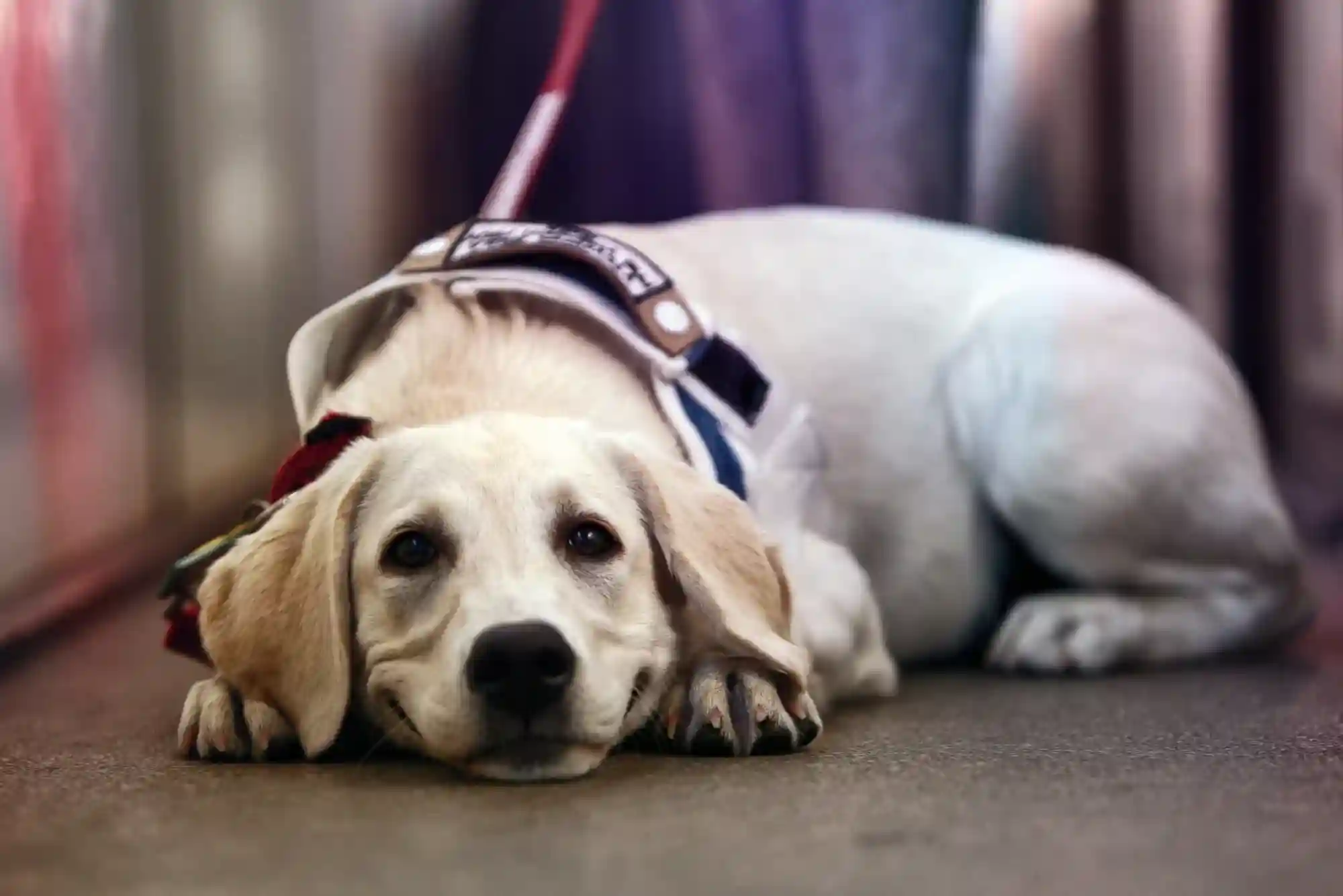
A Psychiatric Service Dog has a different function. The dog is individually trained to perform specific tasks for a person with a psychiatric disability. These tasks can include interrupting harmful behaviors, reminding the handler to take medication, retrieving items, or helping during episodes of psychiatric distress.
This distinction is particularly important during air travel. A passenger cannot simply describe a pet as a service animal because the animal provides emotional comfort.
How to Fly With an Emotional Support Animal
Flying with an ESA requires careful planning because airlines generally do not have to treat an emotional support animal as a service animal.
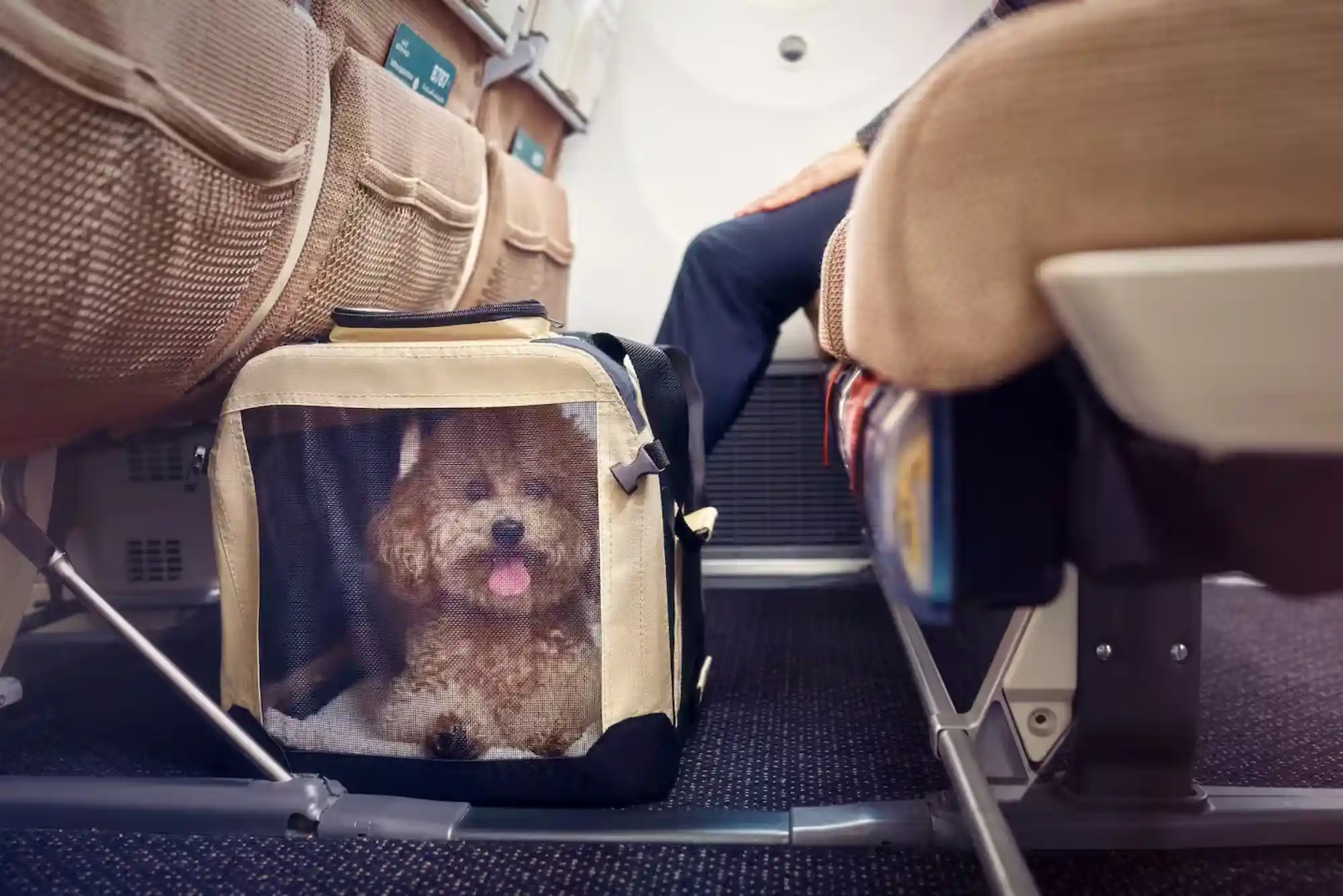
Many airlines now require an ESA to travel under their standard pet policies. Depending on the carrier, this could mean transporting the animal in an approved carrier under the seat. Some airlines may restrict which animals are accepted or impose limits based on the aircraft and route.
Therefore, passengers should review the airline’s pet policy before purchasing a ticket. Pay close attention to carrier dimensions, weight restrictions, fees, breed restrictions, and route limitations.
International travel can be more complicated. Your destination country may require veterinary certificates, vaccinations, microchipping, permits, or other documentation.
It is also important to avoid relying on old ESA airline information found online. Rules that were common several years ago may no longer apply.
How to Fly With a Psychiatric Service Dog
The process can be different when traveling with a legitimate Psychiatric Service Dog.
A PSD is considered a service dog when it is individually trained to perform tasks directly related to a person’s disability. Emotional support alone does not establish service-dog status.
Under U.S. Department of Transportation rules, airlines may require passengers traveling with service dogs to complete the applicable DOT service animal forms. These forms can address the dog’s health, training, behavior, and ability to perform its duties safely.
Airlines may also have procedures for passengers traveling with service animals. Some require documentation to be submitted before travel, particularly for longer flights.
Passengers should therefore contact their airline well before departure. They should confirm exactly which forms are required for their itinerary.
Airline Rules Matter More Than Online Certificates
One common misunderstanding involves ESA or PSD certificates.
Purchasing an online certificate, identification card, vest, or registration does not automatically turn an animal into a service animal. Service-animal status depends on the applicable legal requirements and the animal’s actual training and function.
Similarly, an ESA certificate does not guarantee that an airline will allow the animal to travel in the cabin without following its pet policy.
When researching how to fly with an Emotional Support Animal (ESA) vs Psychiatric Service Dog (PSD), focus on official airline and government requirements. Avoid websites promising guaranteed airline approval through certificates or registrations.
The safest approach is to verify requirements directly with your airline and the relevant government authorities.
Preparing Your Animal for Air Travel
Regardless of classification, preparation can make flying much easier for both you and your animal.
A dog should be comfortable around crowds, airport sounds, unfamiliar people, and changes in routine. Airports can be overwhelming because of announcements, security procedures, luggage movement, and aircraft noise.
Before traveling, gradually expose your dog to busy environments. Practice remaining calm around strangers and waiting in unfamiliar locations.
For an ESA traveling under a pet policy, carrier training is especially important. The animal should become comfortable spending time inside the approved carrier before the journey.
For a PSD, obedience and task reliability are equally important. A service dog should remain under control in public areas and behave appropriately around passengers and airport staff.
What Happens at Airport Security?
Security procedures can differ depending on whether the animal is traveling as a pet or service animal.
A pet may need to be removed from its carrier during security screening. However, procedures can vary depending on the airport and screening system.
Service dogs generally go through security with their handlers. The handler may be asked to follow specific screening instructions.
It is wise to allow additional time at the airport. Rushing through security can increase stress for both the passenger and animal.
Keep essential documentation accessible rather than packed inside checked luggage. Although documentation requirements vary, having relevant paperwork available can make conversations with airline staff easier.
Can an ESA Sit in the Cabin?
This is one of the most common questions about how to fly with an Emotional Support Animal (ESA) vs Psychiatric Service Dog (PSD).
An ESA may be permitted in the cabin if the airline’s current pet policy allows it. However, it will generally be treated as a pet rather than a service animal.
The airline may require the animal to remain inside an approved carrier. There may also be restrictions on where the carrier can be placed.
A PSD has different treatment under applicable service-animal rules. A properly trained service dog may generally accompany its handler in the aircraft cabin, subject to airline and safety requirements.
Because policies vary, passengers should verify the rules for their exact airline, route, and aircraft.
Flying Internationally With an ESA or PSD
International travel requires additional planning.
A country may have completely different requirements for bringing animals across its borders. Your destination may require vaccinations, health certificates, microchips, parasite treatments, import permits, or quarantine procedures.
Transit countries can also create additional requirements. Therefore, passengers should research every country involved in the journey rather than checking only the final destination.
For a PSD, service-animal recognition can also differ outside the United States. A dog that qualifies as a service animal under U.S. rules may encounter different procedures abroad.
Start the process several weeks or months before travel when possible. Some government approvals and veterinary documents require advance processing.
Common Mistakes to Avoid
One major mistake is assuming that ESA and PSD rules are interchangeable. They are not.
Another problem is waiting until the day of travel to discover that documentation is required. Airline requirements should be confirmed before the reservation whenever possible.
Passengers should also avoid misrepresenting a pet as a service animal. Doing so can create problems for the traveler, the airline, and other passengers.
It is equally important to avoid purchasing unnecessary certificates simply because an online company claims they guarantee airline access. Always prioritize official requirements over commercial claims.
Finally, remember that airline policies can change. Information from an old blog post may not reflect current regulations.
Frequently Asked Questions
Can I bring my emotional support animal on a plane?
You may be able to bring an ESA on a plane, but airlines generally treat emotional support animals as pets rather than service animals. The animal may need to travel according to the airline’s pet policy.
Is a psychiatric service dog considered a service animal?
Yes. A Psychiatric Service Dog can qualify as a service animal when it is individually trained to perform tasks directly related to a person’s disability.
Do emotional support animals fly for free?
Not necessarily. Since ESAs are generally treated as pets under current U.S. airline rules, applicable pet fees and restrictions may apply.
Does a PSD need a certificate to fly?
There is no universal certification that creates service-animal status. Airlines may require applicable DOT forms and may have their own procedures.
Can my ESA sit on my lap during the flight?
That depends on the airline’s pet policy. An ESA generally does not receive the same cabin access rights as a service animal.
Can a psychiatric service dog fly in the cabin?
Generally, yes, when the dog qualifies as a service animal under applicable rules. The airline may have documentation and safety procedures that passengers must follow.
Conclusion
Understanding how to fly with an Emotional Support Animal (ESA) vs Psychiatric Service Dog (PSD) starts with recognizing that these are different categories. An ESA generally travels under an airline’s pet policy, while a properly trained PSD may qualify for service-animal accommodations.